Cold, Flu & Smog: Your Triple-Defense Guide to Cleaner Air
Cold and flu season rarely arrives alone. In many regions, it overlaps with rising air pollution, winter smog, and increased time spent indoors. Together, these factors create a triple threat to respiratory health—germs circulating in crowded spaces, polluted air lingering near the ground, and dry indoor environments that weaken the body’s natural defenses.
Protecting your breathing during this time requires more than reacting to symptoms. It calls for a proactive, layered approach that addresses all three challenges at once.
Why Cold, Flu, and Smog Often Collide
Winter conditions create the perfect environment for respiratory stress. Colder temperatures push people indoors, where shared air and limited ventilation allow viruses to spread more easily. Heating systems reduce indoor humidity, drying out nasal passages and airways that normally help trap pathogens.
At the same time, air pollution often worsens. Temperature inversions can trap vehicle emissions and industrial pollutants close to the ground, creating smog that is difficult to see but harmful to inhale. In some areas, wildfire smoke or seasonal burning adds another layer of fine particulate matter to the air.
This convergence means your lungs are exposed to germs and pollutants simultaneously—placing added strain on the immune and respiratory systems.
The Health Impact of This Triple Threat
Cold and flu viruses primarily affect the upper respiratory tract, but when combined with pollution exposure, symptoms can intensify. Polluted air irritates the lungs, causing inflammation that can make it easier for viruses to take hold.
Smog and fine particulate matter, known as PM2.5, penetrate deep into the lungs and can enter the bloodstream. Exposure has been linked to coughing, shortness of breath, worsened asthma, fatigue, and increased cardiovascular strain. For individuals already fighting an infection, polluted air can slow recovery and prolong symptoms.
Children, older adults, and those with asthma, allergies, or heart conditions are especially vulnerable—but even healthy individuals may feel the effects during prolonged exposure.
Defense Layer One: Reducing Germ Exposure
Preventing illness starts with limiting how many pathogens you inhale. Crowded indoor environments—offices, schools, public transport, shopping centers, and social gatherings—are prime locations for airborne transmission.
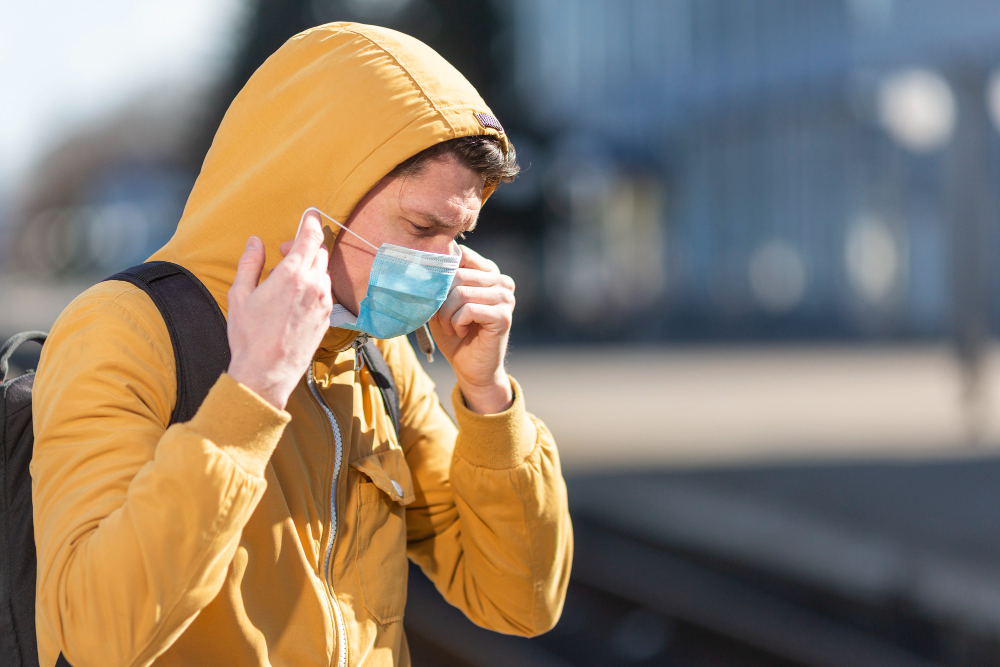
Masks designed for filtration help reduce inhalation of respiratory droplets and aerosols that carry viruses. Consistent use in high-risk settings can lower the chance of infection and reduce the viral load inhaled, which may lead to milder symptoms if illness does occur.
Hand hygiene and surface cleaning matter, but airborne protection plays an equally critical role—especially in shared indoor air.
Defense Layer Two: Blocking Pollution and Smog
Unlike germs, pollution does not announce itself with symptoms right away. Smog exposure often builds quietly, affecting lung function over time. Fine particles irritate airways, increase inflammation, and reduce the body’s ability to fight infections.
Masks capable of filtering PM2.5 particles provide a crucial barrier against pollution. This is particularly important during commutes, outdoor errands, and days when air quality indexes are elevated.
Blocking pollution not only protects the lungs directly but also helps preserve immune function during cold and flu season.
Defense Layer Three: Managing Dry Winter Air
Dry air is an often-overlooked factor in respiratory health. Heated indoor environments strip moisture from the air, drying out nasal passages and throats. This dryness reduces the effectiveness of mucous membranes, which normally trap and neutralize pathogens.
Staying hydrated, using humidifiers responsibly, and avoiding excessive exposure to dry, polluted air all support healthier breathing. Masks can also help by slightly warming and humidifying the air you inhale, reducing irritation during cold weather exposure.
Why Mask Quality Matters
Not all masks offer equal protection against this triple threat. Basic cloth masks may block larger droplets but offer limited defense against fine particles found in smog and smoke. Heavy-duty respirators may filter well but are often uncomfortable for extended wear, reducing consistency.
Advanced filtration technologies, such as nanofiber layers, are designed to capture microscopic particles while maintaining breathability. This balance is essential during winter, when masks may be worn for long periods across multiple settings.
Fit is equally important. A well-sealed mask ensures air passes through the filter rather than leaking around the edges, maximizing protection against both germs and pollution.
When to Use Your Triple Defense
A triple-defense strategy does not require constant mask use. Instead, it focuses on high-risk moments, such as:
- Commuting on public transport
- Spending time in crowded indoor spaces
- Traveling through airports and flights
- Running errands on poor air quality days
- Attending winter events or gatherings
Using protection strategically reduces cumulative exposure while remaining practical and sustainable.
A Preventive Approach to Winter Wellness
Cold, flu, and smog are not isolated problems—they interact and amplify each other. Addressing them together is more effective than tackling each one separately.
A preventive mindset shifts the focus from reacting to illness or discomfort to maintaining consistent respiratory protection throughout the season. By reducing exposure to germs, pollutants, and dry air, you support your immune system and overall well-being.
Breathe Cleaner, Feel Better
Winter does not have to mean weeks of congestion, coughing, or fatigue. With a thoughtful, triple-defense approach, you can protect your breathing and stay healthier through the most challenging months of the year.
Cleaner air starts with awareness—and the right protection makes all the difference.