Why Your Mask Matters Most During Cold & Flu Season
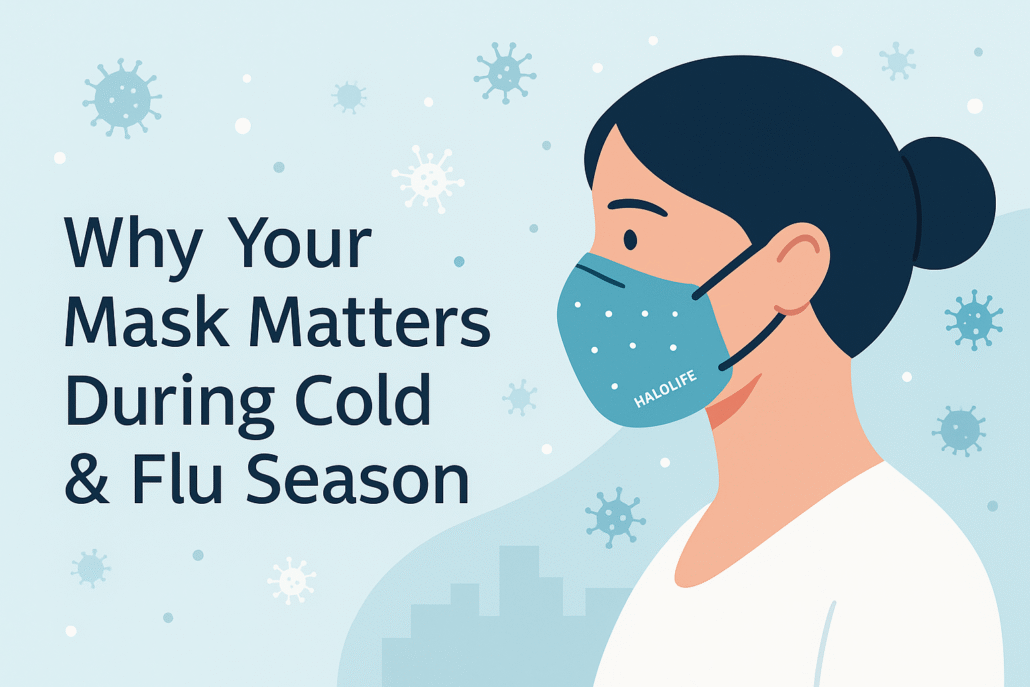
Cold and flu season arrives every year, bringing crowded indoor spaces, circulating viruses, and increased strain on the immune system. While handwashing and rest remain important, one of the most effective—yet often underestimated—tools for protecting respiratory health during this time is the right mask. Understanding why masks matter most during cold and flu season helps explain how they reduce exposure, support prevention, and contribute to overall wellness.
Why Cold & Flu Season Increases Risk
Respiratory viruses thrive in colder months for several reasons. As temperatures drop, people spend more time indoors where ventilation is limited and shared air allows viruses to spread more easily. Schools, offices, public transport, shopping centers, and social gatherings all become high-risk environments for airborne transmission.
Winter air is also typically drier, especially indoors due to heating systems. Low humidity allows virus-carrying droplets to stay airborne longer and weakens the mucous membranes in the nose and throat—your body’s first line of defense against infection. Together, these factors make cold and flu season uniquely challenging for respiratory health.
Airborne Transmission Plays a Major Role
Colds and flu are commonly spread through the air via coughing, sneezing, talking, and even breathing. While surface contact matters, airborne exposure is often the dominant transmission route in crowded indoor spaces.
Masks help interrupt this pathway. When worn properly, they reduce the amount of virus-laden particles inhaled, lowering the likelihood of infection. Even if exposure occurs, reducing viral load may help lessen the severity and duration of illness.
Why Mask Choice Makes a Difference
Not all masks offer the same level of protection. Basic cloth masks can block large droplets but provide limited defense against smaller airborne particles that carry viruses. For cold and flu season, filtration efficiency and fit are critical.
Masks designed with advanced filtration layers are better equipped to capture fine aerosols while remaining breathable. Breathability matters because masks are often worn for extended periods during winter commutes, workdays, and social events. A mask that is uncomfortable is unlikely to be worn consistently, reducing its effectiveness.
Fit is equally important. Gaps around the nose, cheeks, or chin allow unfiltered air to bypass the mask. A well-designed mask seals comfortably to the face, ensuring inhaled air passes through the filter.
The Overlooked Role of Pollution and Dry Air
Cold and flu season often overlaps with increased air pollution. Temperature inversions can trap emissions close to the ground, while winter heating adds particulate matter to the air. Polluted air irritates the lungs, causes inflammation, and can weaken the immune response—making it easier for viruses to take hold.
Masks that filter fine particulate matter help protect the lungs from this added burden. By reducing exposure to pollution and cold, dry air, masks support overall respiratory resilience during winter months.
High-Risk Situations Where Masks Matter Most
Cold and flu exposure does not occur evenly throughout the day. Certain situations present higher risk and are ideal moments for mask use, including:
- Public transport and ride shares
- Offices and shared workspaces
- Schools and childcare settings
- Indoor events and gatherings
- Airports and flights
- Shopping centers and grocery stores
Wearing a mask during these moments can significantly reduce exposure without requiring constant use.
Protecting Yourself and Others
Mask use during cold and flu season is not only about self-protection. It also helps reduce the spread of illness within families, workplaces, and communities. Wearing a mask when you feel unwell—or when circulating illness is high—limits the release of respiratory particles into shared air.
This collective benefit is especially important around vulnerable individuals, including older adults, young children, and people with asthma, heart conditions, or weakened immune systems.
Comfort and Consistency Drive Results
The effectiveness of a mask depends heavily on whether it is worn correctly and consistently. Lightweight materials, soft inner layers, and ergonomic design all contribute to comfort, making it easier to keep a mask on during long periods.
Reusable masks with replaceable filters also provide a practical solution for cold and flu season, offering reliable performance without the waste associated with disposable options.
A Preventive Health Tool, Not an Emergency Measure
Masks are often viewed as emergency gear, but cold and flu season shows why they are better understood as preventive health tools. Just as people dress warmly to protect against cold weather, protecting the lungs from seasonal airborne threats is a logical extension of winter wellness.
Using a mask proactively helps reduce cumulative exposure over time, supporting immune function and minimizing disruptions caused by illness.
Breathe Easier Through Cold & Flu Season
Cold and flu season may be unavoidable, but its impact on your health does not have to be. By understanding how viruses spread, how winter air affects the body, and why the right mask matters, you can take practical steps to protect your breathing.
Cleaner air, reduced exposure, and consistent protection help you move through the season with greater confidence—keeping the focus on recovery, productivity, and enjoying winter, rather than battling illness.