Wildfire Smoke, Urban Pollution & Your Lungs: Mask Up Smart
Wildfire seasons are getting longer, cities are experiencing more smog days, and even indoor air quality is worsening because of poor ventilation and pollutants. Whether you’re commuting, traveling, or simply stepping outside on a hazy day, the air you breathe matters more than ever.
Here’s your smart guide to protecting your lungs against smoke, pollution, and airborne risks.
The Hidden Dangers of Wildfire Smoke
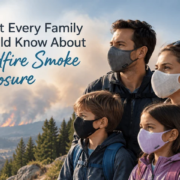
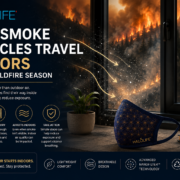
Wildfire smoke isn’t just “smoke.” It’s a complex mixture of tiny particles, gases, and chemicals such as:
- Fine particulate matter (PM2.5 and smaller)
- Volatile organic compounds (VOCs)
- Ash and soot
- Carbon monoxide
- Heavy metals from burned materials
These particles can penetrate deep into your lungs, causing:
- Breathing difficulty
- Chest tightness
- Headaches
- Reduced lung function
- Increased risk of infections
Even short-term exposure affects healthy people — and the impact is worse for children, seniors, and sensitive individuals.
Air quality challenges are no longer limited to a single season or location. Wildfire smoke now affects communities hundreds of miles from active fires, while urban pollution continues to expose millions of people to harmful airborne particles every day. Together, these environmental threats place significant stress on the lungs—often without immediate or obvious symptoms. Understanding how wildfire smoke and urban pollution impact respiratory health is the first step toward protecting yourself. The next step is learning how to mask up smart.
What Makes Wildfire Smoke and Urban Pollution So Harmful?
Both wildfire smoke and urban pollution contain fine particulate matter known as PM2.5—particles smaller than 2.5 microns. These particles are small enough to bypass the body’s natural defenses, travel deep into the lungs, and even enter the bloodstream.
Wildfire smoke is especially complex. In addition to burning vegetation, fires often consume buildings, vehicles, and synthetic materials, releasing toxic chemicals and gases. Urban pollution adds another layer, including vehicle emissions, industrial pollutants, and construction dust.
While these sources may differ, their impact on the lungs is strikingly similar: inflammation, irritation, and increased vulnerability to respiratory and cardiovascular issues.
Short- and Long-Term Effects on Lung Health
Short-term exposure to smoke and pollution can cause coughing, throat irritation, headaches, shortness of breath, and eye discomfort. For people with asthma, allergies, or chronic respiratory conditions, symptoms can escalate quickly.
Long-term or repeated exposure is even more concerning. Studies have linked PM2.5 exposure to reduced lung function, increased asthma attacks, higher rates of respiratory infections, and elevated cardiovascular risk. Because symptoms do not always appear immediately, many people underestimate the cumulative damage caused by breathing polluted air.
Children, older adults, pregnant individuals, and those with existing health conditions are especially vulnerable—but no one is immune.
Why Staying Indoors Isn’t Always Enough
A common misconception is that staying indoors fully protects against smoke and pollution. In reality, fine particles can infiltrate homes and buildings through doors, windows, ventilation systems, and small structural gaps.
Indoor air quality can deteriorate quickly, particularly in poorly sealed spaces or buildings without advanced filtration. Public indoor environments—such as offices, schools, shopping centers, and transport hubs—often rely on recirculated air, which allows particles to remain suspended for extended periods.
Masks provide an added layer of protection when indoor air quality cannot be fully controlled.
Masking Smart: Why Fit and Filtration Matter
Not all masks are created equal. Cloth masks and basic face coverings may offer minimal protection against large droplets but provide limited defense against PM2.5 particles found in smoke and urban pollution.
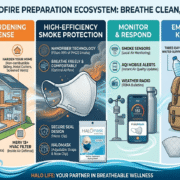
Effective masks must combine two critical elements: high-efficiency filtration and a proper seal. Gaps around the nose, cheeks, or chin allow polluted air to bypass the filter entirely, reducing effectiveness.
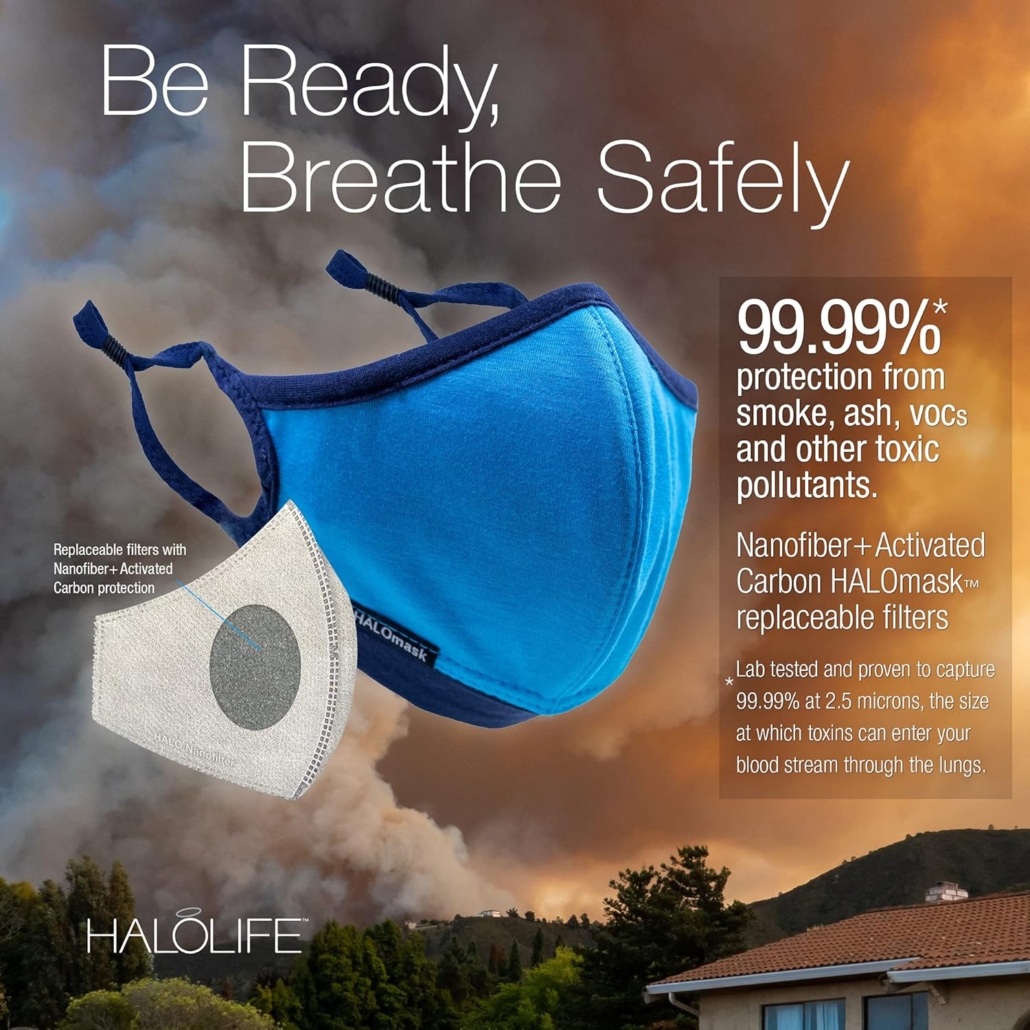
Advanced filtration technologies, such as nanofiber layers, are designed to capture extremely fine particles while maintaining breathability. This balance is essential for comfort, especially during extended wear in smoke-affected or high-pollution environments.
Comfort Drives Consistent Protection
A mask that feels heavy, restrictive, or uncomfortable is unlikely to be worn consistently. Consistency, however, is what reduces cumulative exposure.
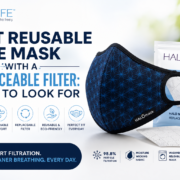
Modern mask designs prioritize lightweight materials, soft contact surfaces, and ergonomic shaping to support long-term wear. Reusable masks with replaceable filters also provide practical, sustainable protection during prolonged pollution events.
When masks are comfortable, people are more likely to wear them during everyday activities—commuting, running errands, walking outdoors, or working in shared spaces.
When Masking Makes the Biggest Difference
Masking smart does not mean wearing a mask at all times. It means using protection strategically in higher-risk situations, such as:
- Poor air quality days
- Wildfire smoke events
- Urban commuting and traffic exposure
- Outdoor exercise near pollution sources
- Crowded indoor environments
By focusing on these moments, individuals can significantly reduce total exposure without disrupting daily life.
A Preventive Approach to Lung Health
Wildfire smoke and urban pollution are not short-term problems. As climate patterns shift and urbanization increases, exposure events are likely to become more frequent and unpredictable.
Adopting a preventive mindset—similar to using sunscreen or seatbelts—helps protect lung health over time. Masks become tools for risk management rather than symbols of emergency.
Protect Your Lungs Today and Tomorrow
Your lungs work continuously, often without recognition, filtering thousands of breaths each day. When air quality is compromised, giving them added protection is both practical and responsible.
Masking up smart—using well-designed, breathable, high-filtration masks—can reduce exposure to harmful particles and support long-term respiratory health. In a world where clean air cannot always be guaranteed, smart protection makes a meaningful difference.