Kids, Schools & Clean Air: Protecting Young Ones in Active Lives
Children today lead busy, active lives. From classrooms and playgrounds to sports practice, school buses, and after-school activities, young people move through a wide range of environments every day. While these experiences are essential for learning and development, they also increase exposure to airborne pollutants, allergens, and germs. Clean air is a critical—yet often overlooked—part of keeping children healthy, focused, and ready to thrive.
Understanding how air quality affects children, and how families can take practical steps to protect them, is becoming increasingly important.
Why Children Are More Sensitive to Air Quality
Children’s bodies are still developing, including their lungs and immune systems. They breathe faster than adults and inhale more air relative to their body size, which means they also take in more airborne particles. When that air contains pollen, dust, pollution, smoke, or viruses, the impact can be greater.
Poor air quality has been linked to increased asthma symptoms, allergies, respiratory infections, fatigue, and reduced concentration in children. Even short-term exposure can affect sleep, energy levels, and school attendance. Long-term exposure may contribute to chronic respiratory issues later in life.
Because children often cannot recognize or articulate breathing discomfort as clearly as adults, air quality risks may go unnoticed until symptoms appear.
Schools: A Shared-Air Environment
Schools are essential community spaces—but they are also environments where shared air plays a major role. Classrooms, cafeterias, gyms, and hallways bring together dozens or hundreds of students in enclosed spaces for extended periods.
Ventilation quality can vary widely between schools, and outdoor air pollutants can easily make their way indoors through doors, windows, and HVAC systems. During colder or hotter months, windows are often closed, further limiting fresh air circulation.
Seasonal illness outbreaks, allergy triggers, and pollution events can all affect the air children breathe at school, sometimes simultaneously.
Active Lives Mean Varied Exposure
Children rarely stay in one environment for long. A typical school day may include time on a bus, in a classroom, on a playground, and at an indoor activity center or sports facility. Each location presents different air quality challenges.
Outdoor play is generally beneficial, but air pollution, pollen, or wildfire smoke can reduce its safety. Indoor sports and activities often involve heavy breathing in enclosed spaces, increasing exposure to airborne particles.
Because children are active, respiratory protection must support movement and comfort—not restrict it.
The Role of Clean Air in Learning and Performance
Clean air does more than protect physical health. It also supports cognitive performance. Studies have shown that poor air quality can affect attention, memory, and learning outcomes in children.
When children breathe cleaner air, they are more likely to stay focused in class, participate fully in activities, and recover more quickly from seasonal illnesses. Protecting air quality is therefore not just a health measure—it is an educational investment.
Practical Ways Parents Can Support Cleaner Air
Families cannot control every environment their children enter, but they can reduce exposure and build protective habits.
At home, maintaining good ventilation, controlling humidity, and reducing indoor allergens help create a healthier baseline. Monitoring local air quality reports allows parents to make informed decisions about outdoor activities on high-pollution or high-pollen days.
In shared environments, personal protective tools can add an extra layer of support—especially during illness outbreaks, wildfire smoke events, or peak allergy seasons.
Why Properly Designed Masks Matter for Kids
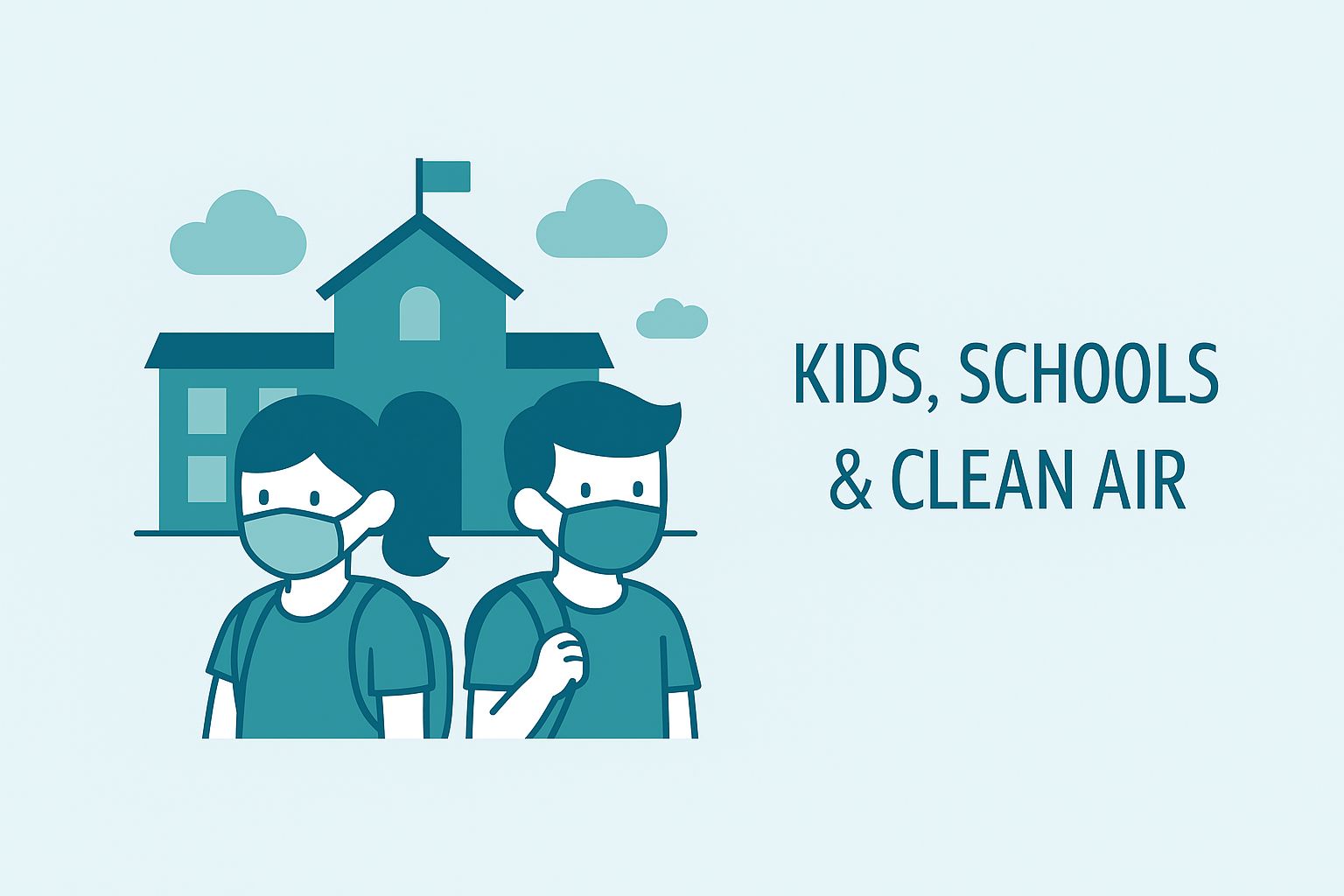
Masks can play a role in protecting children in higher-risk environments, but only if they are designed specifically for young wearers. Adult-sized masks often fit poorly on children, leaving gaps that reduce effectiveness and cause discomfort.
Child-appropriate masks prioritize fit, breathability, and lightweight materials. Advanced filtration technologies can help block fine particles while remaining comfortable enough for active use. When masks are comfortable, children are more likely to wear them correctly and consistently.
Importantly, masks should be presented as supportive tools—not punishments or constant requirements. Used thoughtfully, they empower children to stay active while reducing unnecessary exposure.
Teaching Awareness Without Fear
Helping children understand why clean air matters builds lifelong awareness. Simple conversations about pollen, smoke, or germs—and how to protect against them—encourage responsibility without anxiety.
When children see protective habits modeled calmly by adults, they are more likely to adopt them naturally. This approach reinforces confidence rather than fear and frames respiratory health as part of overall well-being.
Working Together: Parents, Schools, and Communities
Protecting children’s air quality is a shared responsibility. Schools can support healthier environments through improved ventilation, outdoor air monitoring, and flexible policies during poor air quality days.
Parents can advocate for clean air initiatives while supporting their children with practical tools and education. Communities that prioritize air quality create safer spaces for learning, play, and growth.
Supporting Healthy, Active Childhoods
Children should be free to run, learn, explore, and grow without unnecessary respiratory challenges. Clean air is a foundational part of that freedom.
By understanding the risks, choosing appropriate protection when needed, and fostering awareness early, families can help ensure that children remain healthy, energetic, and engaged—both in school and beyond.
Protecting young lungs today helps build stronger, healthier futures for tomorrow.