The Winter Breathing Guide — Protect Yourself From Germs, Pollution & Dry Air
Winter brings cooler temperatures, festive gatherings, and travel—but it also introduces a unique set of challenges for respiratory health. Cold air, indoor crowding, seasonal illnesses, pollution, and dry environments combine to create conditions that can strain the lungs and airways. Understanding how winter affects breathing—and how to protect yourself—can make the difference between a healthy season and months of discomfort.
Why Winter Is Harder on Your Lungs
During winter, people spend significantly more time indoors. Homes, offices, schools, and public spaces rely on heating systems that recirculate air while reducing humidity. This dry, stagnant air can irritate the respiratory tract, weaken natural defenses, and allow airborne germs and particles to linger longer than they would outdoors.
Cold air itself is another factor. When inhaled, cold, dry air can trigger airway constriction, especially for individuals with asthma or sensitive lungs. This can lead to coughing, shortness of breath, chest tightness, and increased susceptibility to infections.
Add seasonal pollution—such as vehicle emissions trapped by temperature inversions or wildfire smoke lingering into winter—and the air you breathe becomes a hidden stressor on overall health.
Germs Spread More Easily in Winter
Winter is peak season for colds, flu, and other respiratory illnesses. Crowded indoor environments make it easier for viruses and bacteria to spread through coughing, sneezing, talking, and shared air.
Low humidity plays a role here as well. Dry air allows virus-containing droplets to remain airborne longer, increasing the chance of inhalation. At the same time, dry nasal passages are less effective at trapping pathogens, making it easier for germs to enter the body.
Protecting your breathing in winter is not just about comfort—it is a key part of reducing illness risk.
The Impact of Pollution and Fine Particles
Air pollution does not disappear in winter. In many regions, pollution levels rise due to increased heating emissions, traffic congestion, and atmospheric conditions that trap particles near the ground.
Fine particulate matter, known as PM2.5, is particularly concerning. These microscopic particles can penetrate deep into the lungs and even enter the bloodstream. Exposure has been linked to respiratory irritation, inflammation, worsened asthma symptoms, and cardiovascular strain.
Winter pollution often goes unnoticed because it is less visible than summer smog, but its health impact can be just as serious.
How Dry Air Affects Breathing
Indoor heating strips moisture from the air, leading to dryness in the nose, throat, and lungs. This dryness can cause sore throats, nasal irritation, coughing, and a heightened sensitivity to allergens and pollutants.
Dry air also compromises the mucous membranes that serve as the body’s first line of defense against airborne threats. When these membranes dry out, they are less effective at filtering and neutralizing pathogens.
Maintaining proper humidity and reducing exposure to irritants are essential steps in protecting winter respiratory health.
Practical Ways to Protect Your Breathing This Winter
Winter breathing protection is most effective when approached holistically. Staying hydrated helps keep airways moist and functional. Using humidifiers indoors can restore moisture to dry environments, though they must be cleaned regularly to prevent mold growth.
Ventilation matters as well. Even in cold weather, brief periods of fresh air exchange can help reduce indoor pollutant buildup.
Equally important is reducing what you inhale in the first place. Masks designed for filtration—not just coverage—can act as personal air protection, limiting exposure to germs, pollutants, and cold air in high-risk environments.
Why Mask Choice Matters in Winter
Not all masks offer the same level of protection. Basic cloth masks may block large droplets, but they provide limited defense against fine particles and pollution.
Advanced filtration technologies, such as nanofiber layers, are engineered to capture extremely small airborne particles while remaining breathable. This balance is especially important in winter, when masks may be worn for extended periods during commutes, shopping, travel, or indoor gatherings.
A well-fitting, comfortable mask encourages consistent use, which is critical for real protection. Poor fit or breathability often leads to frequent removal, reducing effectiveness.
Everyday Situations Where Protection Helps
Winter exposure doesn’t only occur in obvious settings. Grocery stores, public transport, offices, schools, airports, and social gatherings all present opportunities for airborne transmission and pollutant exposure.
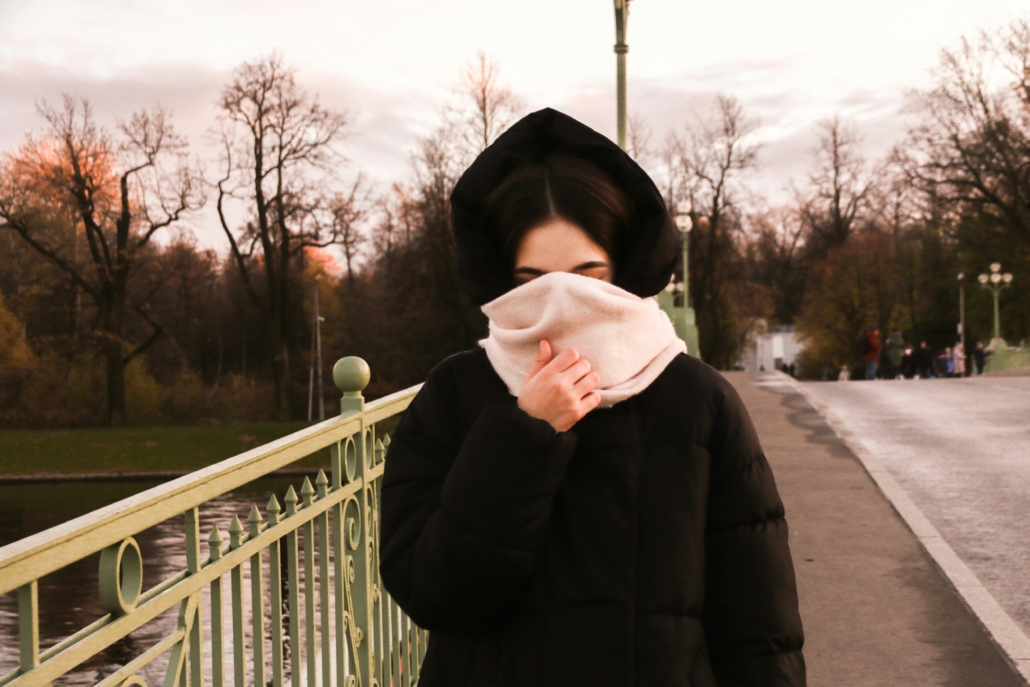
Outdoor winter activities also carry risks. Cold air can irritate airways, while pollution and smoke can persist even in open spaces. Wearing appropriate protection during these activities can ease breathing and reduce cumulative exposure.
A Preventive Mindset for the Winter Season
Protecting your breathing in winter is about preparation, not fear. Just as people dress warmly to protect their skin from the cold, protecting the lungs from seasonal hazards is a logical extension of winter wellness.
By combining environmental awareness, smart indoor habits, and reliable respiratory protection, individuals and families can navigate winter with greater comfort and confidence.
Breathe Better All Winter Long
Winter does not have to mean constant congestion, irritation, or illness. With the right knowledge and tools, you can protect yourself from germs, pollution, and dry air—while still enjoying everything the season has to offer.
Clean air is essential year-round, but in winter, protecting how you breathe matters more than ever.