Traveling This Season? Stay Protected in Airports, Flights & Tourist Spots
Seasonal travel brings excitement, reunions, and long-awaited breaks—but it also brings crowded terminals, enclosed cabins, and busy tourist destinations where exposure to germs, allergens, and poor air quality is difficult to avoid. Airports, flights, trains, and popular attractions concentrate people from all over the world in shared spaces, creating environments where airborne particles can circulate for hours. Traveling smart today means thinking beyond luggage and itineraries—it means protecting the air you breathe along the way.
Why Travel Environments Increase Exposure Risk
Modern travel relies heavily on enclosed or semi-enclosed spaces. Airport terminals host thousands of travelers daily, many moving quickly from one climate and health environment to another. While ventilation systems help, they cannot eliminate all airborne contaminants.
Aircraft cabins are even more unique. Air is recycled at cruising altitude, and although high-efficiency filters are used, close seating means personal exposure remains a factor—especially during boarding, deplaning, and long-haul flights. Trains, buses, ride shares, and shuttle services present similar challenges, with limited personal space and varying ventilation quality.
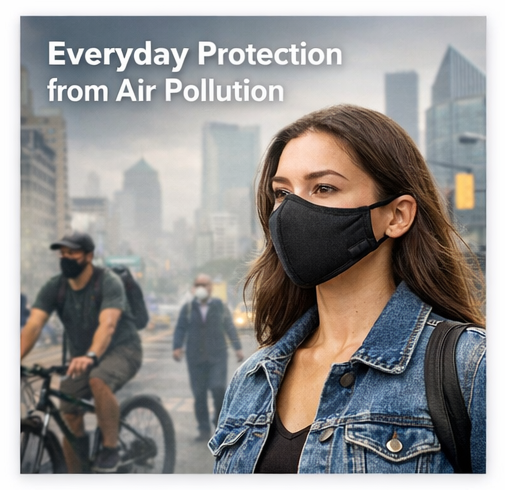
Tourist spots add another layer. Indoor attractions, museums, markets, and restaurants often combine crowds with limited airflow. Outdoor destinations may seem safer, but air quality can still be affected by pollution, dust, pollen, or wildfire smoke—particularly during peak travel seasons.
Air Quality Is Not the Same Everywhere
One of the most overlooked aspects of travel is how quickly air quality can change. A traveler might depart from a clean coastal city and arrive in a high-pollution urban center, or from a mild climate to a region experiencing seasonal allergens or smoke. Short-term exposure to unfamiliar airborne irritants can trigger respiratory discomfort, fatigue, headaches, or allergy flare-ups—even in individuals who rarely experience symptoms at home.
For those with asthma, allergies, or sensitivities, travel can be particularly taxing. However, even healthy travelers benefit from minimizing exposure, especially when trips involve long days, disrupted sleep, and stress that can weaken the body’s defenses.
Why Masks Matter During Seasonal Travel
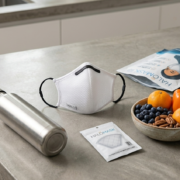
Masks have evolved from emergency tools into practical travel essentials. A well-designed mask acts as a personal air filter, reducing inhalation of fine particles, allergens, and airborne irritants encountered throughout a journey.
However, not all masks offer the same level of protection. Cloth masks and basic coverings may block large droplets but provide limited defense against fine particulate matter. For travel environments where exposure can be prolonged, filtration efficiency and breathability are critical.
Advanced filtration technologies—such as nanofiber layers—are engineered to capture very small particles while maintaining airflow. This balance is essential for comfort during long flights, extended layovers, or full days of sightseeing.
Comfort and Fit Make All the Difference
Travel masks must be worn for hours at a time. A mask that pinches, traps heat, or restricts breathing is unlikely to stay on consistently. Comfort is not a luxury—it is a requirement for effective protection.
Features such as lightweight materials, soft inner layers, adjustable ear loops, and ergonomic shaping help ensure a secure seal without discomfort. When a mask fits properly, air passes through the filter rather than around it, maximizing effectiveness while minimizing fatigue.
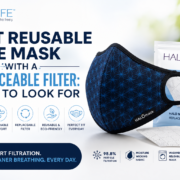
Reusable masks with replaceable filters are also practical for travel, reducing waste and ensuring consistent performance across multiple days and destinations.
High-Risk Moments to Watch For
Certain points during travel present higher exposure risk than others. Boarding and disembarking flights involve close proximity and frequent movement. Security lines and passport control often mean long waits in dense crowds. Shared transportation and indoor attractions combine people, limited airflow, and varied hygiene standards.
Wearing a mask during these moments can significantly reduce exposure, even if it is removed in lower-risk settings such as outdoor sightseeing or private accommodations.
A Preventive Mindset for Modern Travelers
Just as travelers pack sunscreen for sun exposure or compression socks for long flights, masks should be viewed as preventive travel gear. They are not about fear or restriction—they are about preparedness.
Using a mask proactively helps travelers maintain energy, comfort, and health throughout their trip. Reduced exposure means fewer respiratory irritations, better sleep, and a lower chance of returning home with unwanted symptoms.
Protecting Families and Fellow Travelers
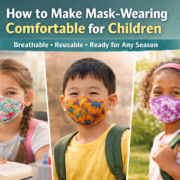
Travel often involves more than just individuals. Families traveling with children, seniors, or immunocompromised members must consider collective health. A breathable, well-fitting mask offers added reassurance in environments where distancing is impossible.
Moreover, wearing a mask can also be a considerate choice, reducing the spread of airborne particles and contributing to a healthier shared environment—especially during peak travel seasons.
Breathe Easier Wherever You Go
Seasonal travel doesn’t have to mean compromising on health. With thoughtful preparation and the right protective tools, travelers can enjoy airports, flights, and tourist destinations with greater peace of mind.
Clean air is a universal need, no matter where your journey takes you. Protecting your breath is one of the simplest ways to travel smarter, feel better, and return home with memories—not respiratory regrets.