Kids Need Better Air Too — Why Child-Sized Masks Matter
When we think about air pollution, allergens, and respiratory protection, the conversation often centers on adults. Commutes, workplaces, and outdoor exposure dominate the narrative. Yet children breathe the same air—often with greater vulnerability and far fewer safeguards. From school drop-offs and playgrounds to travel, seasonal illnesses, and wildfire smoke, kids face daily exposure to airborne irritants that can affect their health, comfort, and development. This is why child-sized masks are not just a scaled-down accessory—they are an essential part of protecting young lungs.
Children Are More Vulnerable to Poor Air Quality
Children are not simply “small adults.” Their respiratory systems are still developing, and they breathe more rapidly than adults, meaning they inhale a higher volume of air relative to their body weight. When that air contains pollen, dust, smoke, pollution particles, or viruses, the impact can be amplified.
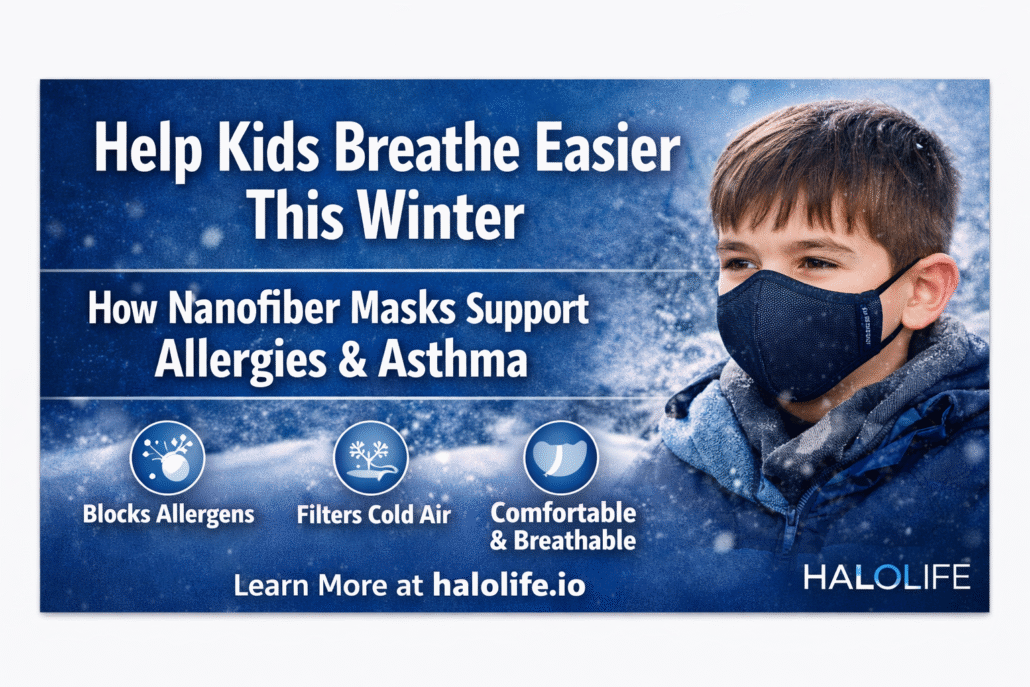
Seasonal changes further increase risk. Cold winter air can irritate sensitive airways. Spring and fall bring pollen and mold. Indoor environments—classrooms, daycare centers, public transport, and family gatherings—often have limited ventilation, allowing airborne particles to linger. For children with allergies, asthma, or respiratory sensitivities, these everyday exposures can trigger flare-ups, discomfort, and missed school days.
Why Adult Masks Don’t Work for Kids
Many parents attempt to adapt adult masks for children, assuming a smaller face can still be adequately covered. Unfortunately, poor fit undermines protection. Gaps around the nose, cheeks, or chin allow unfiltered air to bypass the mask entirely. Masks that are too large can slip, shift during play, or require constant adjustment—reducing effectiveness and increasing frustration.
Comfort is another issue. Masks designed for adults may feel heavy, restrictive, or irritating on a child’s skin. If a mask is uncomfortable, children are far less likely to wear it consistently, defeating its purpose altogether. Proper protection only works when it is worn correctly and willingly.
The Importance of Child-Sized Design
Child-sized masks are engineered specifically for smaller facial structures. A well-designed kids’ mask offers a snug yet gentle seal without excessive pressure. Lightweight materials reduce fatigue, while soft linings help prevent skin irritation during extended wear at school, on flights, or during outdoor activities.
Breathability is critical. Children are active by nature, and a mask that restricts airflow can quickly feel overwhelming. Advanced filtration technologies—such as nanofiber layers—allow high filtration efficiency without making breathing feel labored. This balance between protection and comfort is what enables kids to keep masks on when they matter most.
Everyday Situations Where Child-Sized Masks Make a Difference
For many families, masks are no longer reserved for emergencies. They have become part of everyday wellness routines in specific situations. During wildfire season, masks help reduce smoke and fine particle exposure. In winter, they act as a barrier against cold air and circulating viruses. During allergy season, they limit pollen and dust inhalation. Travel days—airports, buses, and trains—present another high-exposure environment where proper protection is especially valuable.
In each of these scenarios, the effectiveness of a mask depends on fit, comfort, and filtration. Child-specific designs address all three, supporting healthier breathing without disrupting daily life.
Building Healthy Habits Early
Teaching children to value clean air and respiratory health early on has long-term benefits. When kids understand why they wear a mask—and when that mask feels comfortable and fits properly—they are more likely to comply without resistance. This builds awareness, responsibility, and confidence rather than fear or inconvenience.
Importantly, child-sized masks should be positioned as a supportive tool, not a punishment or constant requirement. Used thoughtfully, they empower children to participate fully in activities while minimizing unnecessary exposure.
What Parents Should Look For
When choosing a mask for a child, parents should prioritize fit, breathability, and filtration quality. Reusable designs with replaceable filters offer both sustainability and cost efficiency. Adjustable features help accommodate growth and different face shapes. Certifications, transparent filtration data, and real-world testing add further reassurance.
Brands that focus on comfort and innovation—rather than simply downsizing adult products—are best positioned to meet children’s needs. Thoughtful design makes the difference between a mask that sits unused in a backpack and one that becomes a trusted part of daily life.
Clean Air Is for Everyone—Especially Kids
Access to clean air should not depend on age. Children deserve the same level of protection, care, and innovation as adults when it comes to respiratory health. Child-sized masks recognize this reality, addressing the unique physiological and behavioral needs of young wearers.
As awareness of air quality continues to grow, so does the responsibility to protect the most vulnerable among us. Investing in properly designed masks for children is a simple yet powerful step toward healthier breathing—today and for the future.