Breathe Easier at the Gym — The Best Breathable Mask for Workouts
Gyms and training spaces are designed to support health and performance, yet one important factor is often overlooked: air quality. As fitness routines continue to evolve in 2026, more people are becoming aware that crowded indoor environments, limited ventilation, and heavy breathing can affect how workouts feel — especially during longer or more frequent sessions.
The good news is that clean-air protection no longer has to mean discomfort or restricted breathing. With the right breathable mask, it’s possible to train confidently while supporting better breathing comfort.
Why Air Quality Matters During Workouts
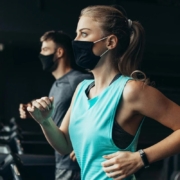
Exercise naturally increases your breathing rate. Whether you’re lifting weights, running on a treadmill, or taking part in a group class, your lungs are working harder to deliver oxygen to your muscles. In indoor fitness spaces, this means you’re also inhaling more of whatever is present in the air around you.
Busy gyms often contain airborne particles from dust, cleaning products, equipment materials, outdoor pollution brought in through doors, and shared indoor air. Over time, repeated exposure can affect comfort and focus, particularly for people who train several times a week.
Paying attention to air quality is not about limiting performance — it’s about supporting long-term wellbeing while staying active.
The Problem With Traditional Masks at the Gym
Many masks were never designed for movement or heavy breathing. Thick cloth masks and some disposable options can quickly become uncomfortable during workouts, causing issues such as:
- Restricted airflow that makes breathing feel harder
- Moisture buildup from sweat and breath
- Masks slipping or losing shape during movement
- Discomfort that leads to frequent removal
When a mask becomes a distraction, consistency suffers. And consistency is key when it comes to any form of protection.
What Makes a Mask Truly Breathable for Workouts?
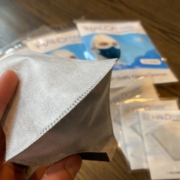
The best breathable mask for gym workouts strikes a careful balance between filtration and airflow. Rather than relying on bulky layers, modern breathable masks use engineered materials that allow air to move freely while still helping reduce exposure to airborne particles.
Key features to look for include:
Low Breathing Resistance
Air should flow naturally during both inhalation and exhalation, even during moderate exertion.
Lightweight Construction
A lighter mask is less likely to feel hot, heavy, or distracting during movement.
Secure, Comfortable Fit
The mask should stay in place during lifts, stretches, and cardio without constant adjustment.
Moisture Control
Materials that minimise moisture buildup help maintain comfort throughout your session.
How Advanced Filtration Supports Breathability
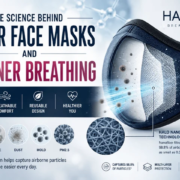
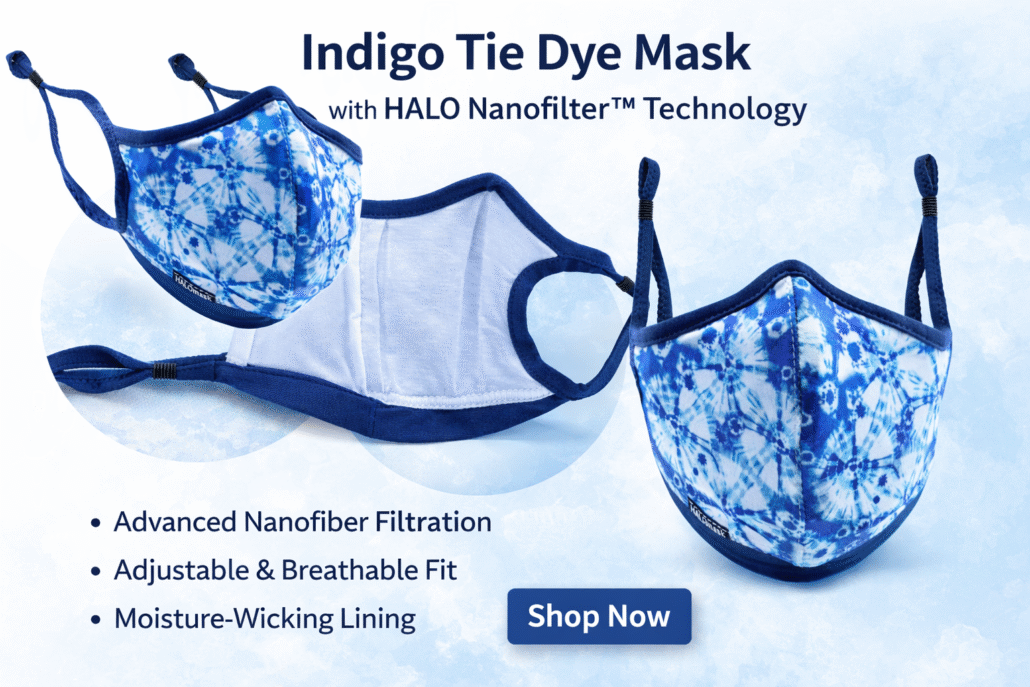
One of the biggest innovations in modern mask design is nanofiber filtration technology. Instead of blocking particles by adding thickness, nanofiber filters use ultra-fine fibers arranged in a way that captures airborne particles while maintaining airflow.
For workouts, this means:
- Easier breathing compared to dense fabric masks
- Less heat and moisture buildup
- Better comfort during extended training sessions
- Protection that feels compatible with movement
This technology allows athletes and fitness enthusiasts to focus on performance rather than constantly thinking about their mask.
Where a Breathable Workout Mask Helps Most
A breathable mask can be especially useful in:
Commercial Gyms During Peak Hours
High foot traffic and limited ventilation can impact air quality, particularly during busy times.
Group Fitness Classes
Spin, HIIT, yoga, and dance classes often take place in enclosed studios with close proximity.
Indoor Sports Facilities
Training halls, courts, and martial arts studios bring together multiple athletes breathing heavily in shared spaces.
Personal Training and Rehab Settings
Smaller rooms benefit from breathable protection during longer, focused sessions.
In these environments, comfort and airflow are essential for consistent use.
Why Reusable Masks Are Better for Active Lifestyles
Disposable masks are rarely built for exercise. They can degrade quickly with moisture and movement, leading to reduced comfort and frequent replacement.
Reusable masks designed for breathability and durability offer several advantages:
- Better long-term comfort across multiple workouts
- Reduced waste compared to disposables
- More consistent fit and structure over time
- Cost-effective for people who train regularly
With proper care, a reusable mask becomes a reliable part of your fitness routine.
When to Wear a Mask During Workouts
Mask use during training is often most practical during:
- Warm-ups and cooldowns
- Strength training and light cardio
- Group classes and shared indoor sessions
- Busy gym hours with reduced airflow
Many athletes choose to adjust usage based on intensity, environment, and personal comfort. The goal is flexibility — using protection when it adds value without interfering with performance.
Fitness and Clean Air in 2026
Health is no longer defined by exercise alone. In 2026, people are taking a more holistic approach that includes movement, recovery, nutrition, sleep, and environmental awareness.
Clean-air protection fits naturally into this mindset. Choosing breathable solutions that support workouts rather than disrupt them reflects a smarter, more sustainable approach to fitness.
Train With Confidence, Breathe With Ease
The best breathable mask for workouts doesn’t slow you down — it supports you. With lightweight design, advanced filtration, and comfort-first engineering, clean-air protection can become part of your training routine without compromise.
At HALOLIFE, masks are designed to move with you — helping you stay active, comfortable, and confident wherever you train.