Top Signs Your Mask Isn’t Protecting You — And What to Look for Instead
Wearing a mask is often seen as a simple step toward cleaner breathing — but not all masks offer the same level of protection, comfort, or reliability. In fact, many people continue using masks that look fine on the outside but may no longer be doing their job.
As air quality concerns continue into 2026, understanding whether your mask is actually protecting you is just as important as wearing one in the first place. Knowing the warning signs — and what to choose instead — can make a meaningful difference in everyday life.
Sign #1: Breathing Feels Uncomfortably Difficult
If your mask makes breathing feel laboured or restrictive, it may be relying on thick or inefficient materials to compensate for poor filtration design. While protection matters, excessive breathing resistance can discourage consistent use and reduce comfort during daily activities.
What to look for instead:
A mask designed with advanced filtration that maintains airflow, allowing you to breathe comfortably even during extended wear, movement, or light activity.
Sign #2: Your Mask Gets Damp Quickly
Moisture buildup is a common issue with many cloth and disposable masks. When a mask becomes damp from breath, sweat, or humidity, it can feel uncomfortable and may reduce effectiveness over time.
What to look for instead:
Breathable materials that help reduce moisture retention and maintain comfort throughout the day. Lightweight construction and efficient airflow help keep the mask feeling fresh longer.
Sign #3: The Fit Changes or Feels Loose
A mask that no longer fits properly — slipping, gapping at the sides, or losing structure — may not provide consistent coverage. Fit matters because air follows the path of least resistance, which can reduce the benefit of wearing a mask at all.
What to look for instead:
A reusable mask designed to maintain its shape and fit with proper care, offering secure coverage without constant adjustment.
Sign #4: You’re Relying on Single-Use Masks Every Day
Disposable masks are convenient, but they’re not designed for long-term daily use. Over time, relying solely on disposables can lead to inconsistent performance, unnecessary waste, and higher recurring costs.
What to look for instead:
A durable, reusable mask that delivers consistent performance across repeated use while reducing waste and long-term expense.
Sign #5: Your Mask Was Chosen for Looks Alone
Style matters — but it shouldn’t come at the cost of function. Some masks prioritise appearance while overlooking filtration efficiency or breathability.
What to look for instead:
Masks that balance design, comfort, and performance, allowing you to feel confident without compromising protection.
Sign #6: It’s Uncomfortable to Wear for Long Periods
If you find yourself removing your mask frequently due to irritation, pressure points, or discomfort, it may not be suitable for real-world use. Protection only works when it’s worn consistently.
What to look for instead:
Soft materials, lightweight construction, and thoughtful design that support extended wear during commutes, travel, workdays, or indoor activities.
Why Mask Technology Matters More Than Ever
Air quality challenges today are not limited to one setting. Urban pollution, wildfire smoke, indoor air circulation, and seasonal airborne irritants can all affect daily life. This means masks need to be adaptable, breathable, and reliable, not just emergency solutions.
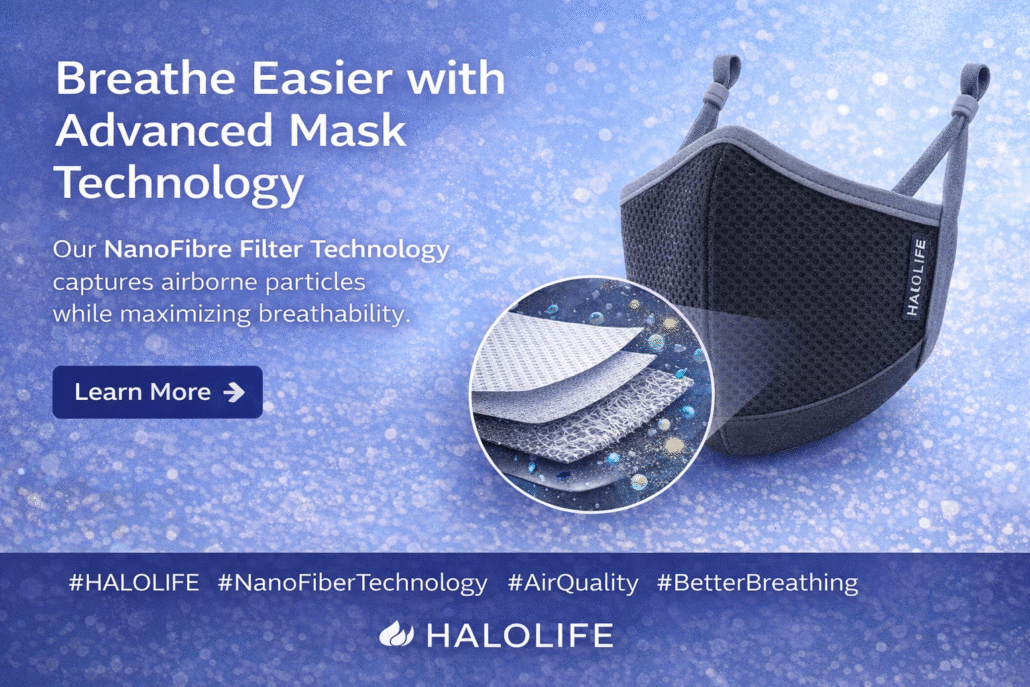
Modern reusable masks that use nanofiber filtration technology focus on capturing fine airborne particles while maintaining airflow — rather than relying on bulk or thickness alone. This approach supports comfort and performance simultaneously.
Wearing a mask is often seen as a simple step toward cleaner breathing — but not all masks offer the same level of protection, comfort, or reliability. In fact, many people continue using masks that look fine on the outside but may no longer be doing their job.
As air quality concerns continue into 2026, understanding whether your mask is actually protecting you is just as important as wearing one in the first place. Knowing the warning signs — and what to choose instead — can make a meaningful difference in everyday life.
Sign #1: Breathing Feels Uncomfortably Difficult
If your mask makes breathing feel laboured or restrictive, it may be relying on thick or inefficient materials to compensate for poor filtration design. While protection matters, excessive breathing resistance can discourage consistent use and reduce comfort during daily activities.
What to look for instead:
A mask designed with advanced filtration that maintains airflow, allowing you to breathe comfortably even during extended wear, movement, or light activity.
Sign #2: Your Mask Gets Damp Quickly
Moisture buildup is a common issue with many cloth and disposable masks. When a mask becomes damp from breath, sweat, or humidity, it can feel uncomfortable and may reduce effectiveness over time.
What to look for instead:
Breathable materials that help reduce moisture retention and maintain comfort throughout the day. Lightweight construction and efficient airflow help keep the mask feeling fresh longer.
Sign #3: The Fit Changes or Feels Loose
A mask that no longer fits properly — slipping, gapping at the sides, or losing structure — may not provide consistent coverage. Fit matters because air follows the path of least resistance, which can reduce the benefit of wearing a mask at all.
What to look for instead:
A reusable mask designed to maintain its shape and fit with proper care, offering secure coverage without constant adjustment.
Sign #4: You’re Relying on Single-Use Masks Every Day
Disposable masks are convenient, but they’re not designed for long-term daily use. Over time, relying solely on disposables can lead to inconsistent performance, unnecessary waste, and higher recurring costs.
What to look for instead:
A durable, reusable mask that delivers consistent performance across repeated use while reducing waste and long-term expense.
Sign #5: Your Mask Was Chosen for Looks Alone
Style matters — but it shouldn’t come at the cost of function. Some masks prioritise appearance while overlooking filtration efficiency or breathability.
What to look for instead:
Masks that balance design, comfort, and performance, allowing you to feel confident without compromising protection.
Sign #6: It’s Uncomfortable to Wear for Long Periods
If you find yourself removing your mask frequently due to irritation, pressure points, or discomfort, it may not be suitable for real-world use. Protection only works when it’s worn consistently.
What to look for instead:
Soft materials, lightweight construction, and thoughtful design that support extended wear during commutes, travel, workdays, or indoor activities.
Why Mask Technology Matters More Than Ever
Air quality challenges today are not limited to one setting. Urban pollution, wildfire smoke, indoor air circulation, and seasonal airborne irritants can all affect daily life. This means masks need to be adaptable, breathable, and reliable, not just emergency solutions.
Modern reusable masks that use nanofiber filtration technology focus on capturing fine airborne particles while maintaining airflow — rather than relying on bulk or thickness alone. This approach supports comfort and performance simultaneously.
👉 Explore advanced reusable masks designed for modern living