The Ultimate Guide to Comfortable Masks for Kids in 2026
Parents across the United States continue to prioritize their children’s health, especially during cold and flu season, allergy surges, wildfire smoke alerts, and back-to-school transitions. Yet one challenge remains the same: finding a mask that children will wear comfortably and consistently. Kids are active throughout the day. They talk, run, laugh, play sports, and sit in classrooms for hours. If a mask feels tight, itchy, hot, or hard to breathe in, they are unlikely to keep it on. Comfort is not a luxury—it is the key to consistent protection.
Why Comfort Matters More Than Ever
In 2026, families are navigating a mix of seasonal respiratory illnesses, increased air quality awareness, and crowded school environments. During winter, viruses spread more easily indoors. In spring, pollen levels surge. In many western states, wildfire smoke can impact air quality with little warning. Throughout the school year, children spend extended time in classrooms and extracurricular activities. In all of these situations, protection only works if a mask is worn properly. When a child constantly pulls a mask down, removes it, or complains about discomfort, its effectiveness drops significantly. Comfort directly influences consistency, and consistency determines how well a mask performs.
Why Children Resist Wearing Masks
Most resistance to mask-wearing stems from predictable discomforts. Breathability is one of the most common complaints. Some masks feel suffocating, especially during physical activity or recess. Ear discomfort is another issue, as thin elastic bands can cause pressure and irritation after several hours. Heat and moisture buildup also create problems because children generate body heat quickly, and poor airflow leads to damp, uncomfortable fabric against the skin. For children with sensitive skin, rough materials may cause itching or mild irritation. Social concerns can also play a role, as some kids worry about how they look or about standing out among peers. Understanding these concerns helps parents choose smarter, more comfortable solutions.
Choosing the Right Material
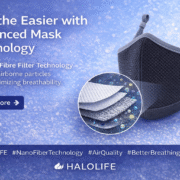
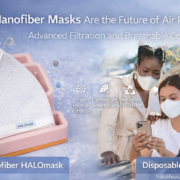
Material technology is the foundation of comfort. Traditional thick fabric masks can trap heat, while many disposable masks collapse inward and become moist during extended wear. Modern nanofiber filtration technology offers a different approach by combining lightweight construction with high filtration efficiency and improved airflow. A breathable mask allows air to move more naturally while still providing protection, which is especially important during long school days, sports practices, and travel. When evaluating reusable masks for children, parents should look for lightweight, multi-layer designs that maintain structure and resist moisture buildup.
The Importance of Proper Fit
Fit is just as important as material. A mask that is too tight can cause pressure marks and discomfort, while one that is too loose will slide down and require constant adjustment. The ideal mask contours gently to a child’s face, covering the nose and chin securely without pressing tightly against the lips. Adjustable ear loops and soft, flexible materials help create a customized fit for smaller faces. When a mask stays in place during talking and movement without constant adjustment, children are far more likely to forget they are wearing it. That ease is essential for long-term use.
Making Masks Part of Personal Style
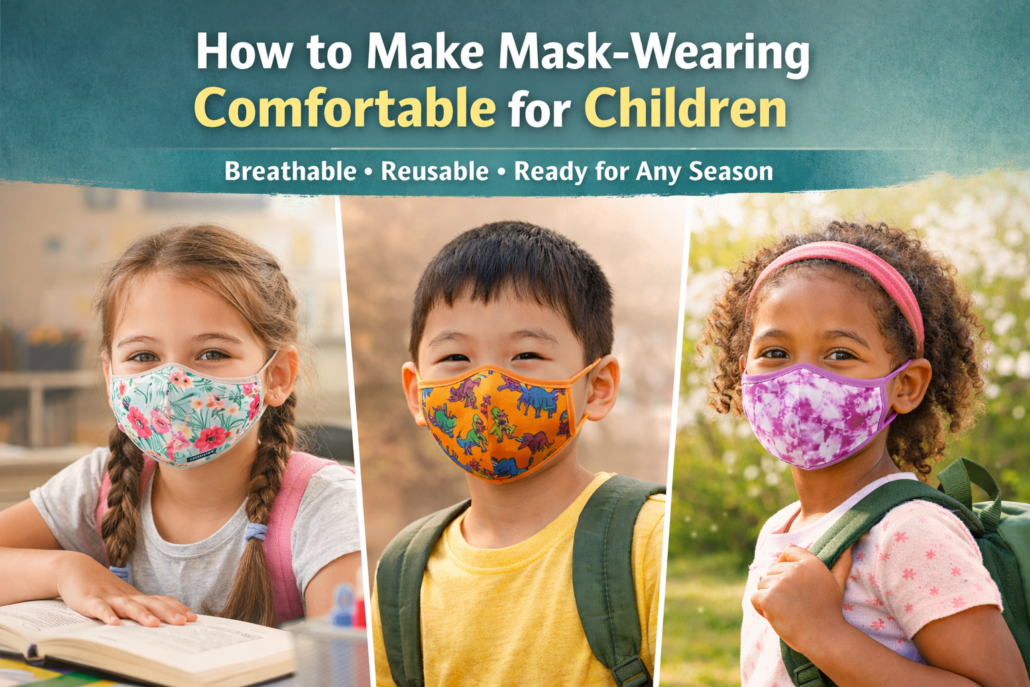
Children are more cooperative when they feel a sense of ownership. Today’s reusable masks come in a variety of colors, patterns, and seasonal designs that appeal to different personalities. Allowing a child to choose their preferred style can significantly reduce resistance. When mask-wearing feels like a normal part of getting dressed—similar to picking out shoes or a backpack—it becomes integrated into daily life rather than viewed as a rule being imposed.
Building Healthy Habits Early
Comfort also improves with familiarity. When children only wear masks occasionally, the sensation feels unusual. When mask use becomes part of their routine, it feels natural. Practicing short periods of wear at home can help normalize the experience. Positive reinforcement encourages cooperation more effectively than pressure or punishment. Children also tend to mirror adult behavior, so when parents model consistent mask use, kids are more likely to follow. Explaining the reason behind wearing a mask in simple, reassuring language helps children understand that it supports their health, especially during smoky days, crowded settings, or illness surges.
Why Reusable Masks Make Sense
Disposable masks often lose their shape quickly, become damp, and need frequent replacement. Over time, this can become both costly and wasteful. Reusable nanofiber masks are designed to maintain structure, provide consistent breathability, and withstand repeated use. For families planning ahead for the school year, a durable reusable option offers both economic and environmental advantages. Instead of purchasing a new mask each day, parents can invest in high-quality options that last longer and perform more reliably.
Adapting to Activities and Seasons
Different situations require different comfort considerations. In classroom settings, lightweight breathability is essential for extended wear. During sports or outdoor activities, structured masks that do not collapse during heavy breathing are more suitable. Travel days, especially in airports or on flights, demand extended comfort. Allergy season requires effective filtration to help reduce pollen exposure. By thinking seasonally and situationally, parents can choose masks that align with their child’s activity level and environment.
Supporting Comfortable Protection with HALOLIFE
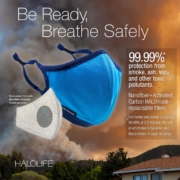
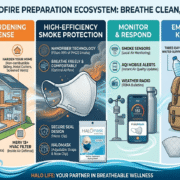
Many parents are turning to advanced reusable solutions that prioritize both filtration and comfort. HALOLIFE develops nanofiber masks engineered to balance airflow with effective filtration. Designed for daily school wear, sports, travel, allergy season, and poor air quality days, these masks focus on structured comfort so children are more likely to wear them consistently without complaint.
Final Thoughts
In 2026, one principle remains clear: the most protective mask is the one your child will actually wear. Breathability, proper fit, durable construction, and child-friendly design all contribute to consistent use. When comfort and performance work together, mask-wearing becomes a simple part of everyday life rather than a daily struggle. Thoughtful preparation helps families stay ready for cold season, wildfire smoke, allergy surges, and classroom exposure—ensuring children stay protected in a way that feels manageable and natural.