From Forests to Cities: The Far-Reaching Effects of Wildfire Smoke
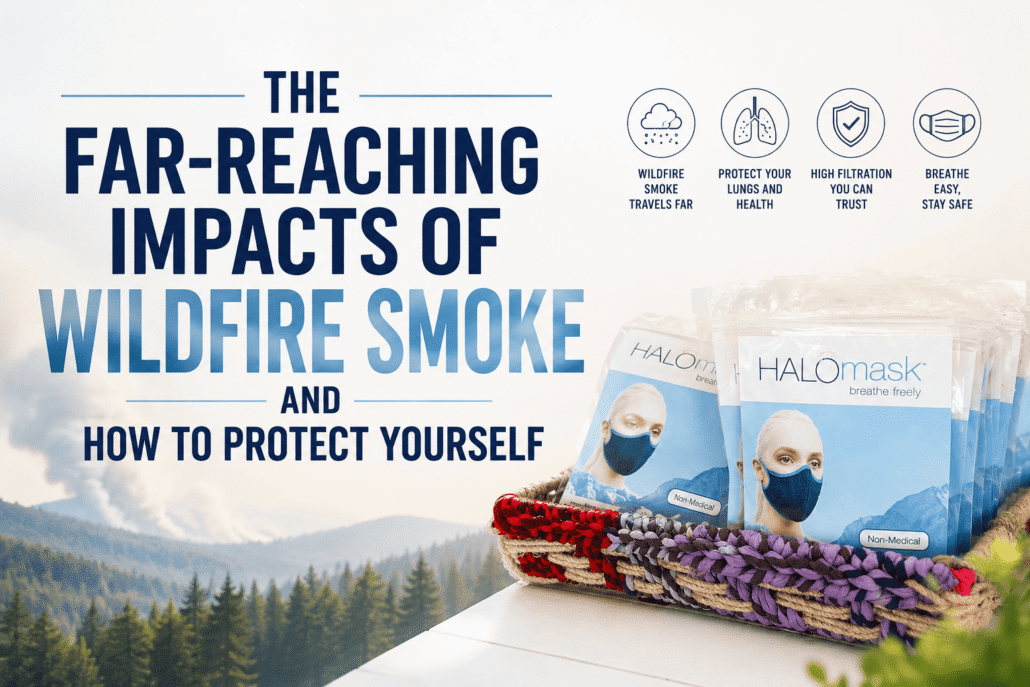
Wildfires are no longer confined to remote forests or seasonal dry spells. They are now a global concern, fuelled by climate change, prolonged droughts, and rising temperatures. While the flames themselves are devastating, the smoke they produce is an invisible hazard that travels far beyond the fire zone, affecting millions of people. Understanding the wide-ranging impacts of wildfire smoke — and knowing how to protect yourself — is essential for safeguarding health and wellbeing.
What Is Wildfire Smoke Made Of?
Wildfire smoke is a complex mixture of gases and fine particles. It contains carbon monoxide, volatile organic compounds, and microscopic particulate matter known as PM2.5. These particles are so small that they bypass the body’s natural defences, penetrating deep into the lungs and even entering the bloodstream. The result is a toxic cocktail that can affect every system in the body.
Respiratory Health Risks
The most immediate impact of wildfire smoke is on the respiratory system. Short-term exposure can cause coughing, wheezing, throat irritation, and difficulty breathing. For those with asthma or chronic obstructive pulmonary disease (COPD), symptoms can worsen dramatically, sometimes requiring urgent medical care. Long-term exposure increases the risk of chronic bronchitis, reduced lung function, and even lung cancer.
Cardiovascular Effects
Wildfire smoke doesn’t stop at the lungs. Fine particles can enter the bloodstream, triggering inflammation and oxidative stress. This raises the risk of heart attacks, arrhythmias, and strokes. Hospitals often report spikes in cardiovascular emergencies during wildfire seasons, even among people with no prior history of heart disease.
Impacts on Vulnerable Groups
Children, the elderly, and pregnant women are particularly vulnerable. Children breathe more air relative to their body size, making them more susceptible to pollutants. Pregnant women exposed to wildfire smoke face increased risks of preterm birth and low birth weight. Older adults, especially those with pre-existing conditions, may experience severe complications.
Mental Health Consequences
The dangers of wildfire smoke extend beyond physical health. Prolonged exposure to smoky skies, evacuation orders, and uncertainty can lead to anxiety, depression, and post-traumatic stress. The psychological toll is often overlooked but can be just as damaging as the physical effects.
Indoor Air Quality Challenges
Many assume that staying indoors provides protection, but smoke particles easily infiltrate buildings through ventilation systems and cracks. Without proper filtration, indoor air can become just as hazardous as the outdoors. Air purifiers with HEPA filters and sealed windows are essential during wildfire events.
Long-Term Consequences
Repeated exposure to wildfire smoke may contribute to chronic illnesses, including cardiovascular disease and cognitive decline. Emerging research suggests pollutants can cross the blood-brain barrier, potentially affecting memory and brain function. The cumulative effect of annual smoke exposure is a growing public health concern.
How to Protect Yourself
- Monitor air quality indexes (AQI) during wildfire season.
- Limit outdoor activities when AQI levels are high.
- Use N95 masks if you must go outside.
- Invest in indoor air purifiers with HEPA filters.
- Create a clean air room in your home with minimal infiltration points.
- Stay hydrated and maintain a healthy diet to support your immune system.
Frequently Asked Questions
1. Can wildfire smoke affect people far from the fire?
Yes. Smoke can travel hundreds or even thousands of miles, affecting communities far removed from the flames.
2. Are cloth masks effective against wildfire smoke?
No. Cloth masks cannot filter fine particles. N95 or equivalent respirators are recommended.
3. How can I tell if the air quality is unsafe?
Check local AQI reports. Levels above 100 indicate unhealthy air, particularly for sensitive groups.
4. Is it safe to exercise outdoors during smoky conditions?
No. Physical activity increases the amount of polluted air you inhale, worsening health risks.
5. What should I do if I experience symptoms?
Seek medical advice immediately, especially if you have underlying respiratory or cardiovascular conditions.