From Allergens to Pathogens: A Year-Round Mask Strategy
Airborne health risks do not follow a single season. Allergens peak in spring and fall, pollution intensifies during summer heat and winter inversions, while viruses and pathogens circulate year-round in shared indoor spaces. Yet many people still think of masks as a temporary or reactive solution—used only during illness outbreaks or environmental emergencies.
A smarter approach is a year-round mask strategy: understanding how airborne risks change throughout the year and using the right protection consistently, when it matters most.
Why Airborne Risks Are a Constant
The air we breathe carries far more than oxygen. Pollen, dust, fine particulate pollution (PM2.5), smoke, bacteria, and viruses are present in varying concentrations throughout the year. While the dominant threat may change seasonally, exposure never truly disappears.
Indoor environments compound this issue. Offices, schools, gyms, public transport, airports, and shopping centers rely on shared air and recirculation systems. Even when spaces feel clean, airborne particles can remain suspended for long periods, increasing cumulative exposure over time.
A year-round strategy acknowledges that respiratory protection is not about fear—it is about managing everyday risk.
Spring & Fall: Allergens in the Air
Seasonal allergies affect millions of people worldwide. In spring, tree pollen dominates. In late summer and fall, grasses, weeds, and mold spores become major triggers. For individuals with allergies or asthma, these particles can cause congestion, coughing, itchy eyes, fatigue, and reduced productivity.
Masks designed for filtration—not just coverage—can significantly reduce inhalation of pollen and airborne allergens. By limiting exposure, masks help manage symptoms and reduce reliance on medications during peak allergy seasons.
Summer: Pollution, Travel & Crowded Spaces
Summer brings increased outdoor activity, travel, and air pollution. Heat can worsen ozone levels, while wildfire smoke has become a recurring summer threat in many regions. At the same time, airports, tourist attractions, festivals, and public transport experience heavy crowding.
In these environments, masks act as personal air filters, reducing exposure to pollution and shared airborne particles. Breathability is especially important in warm weather, making advanced filtration technologies critical for comfort and compliance.
Winter: Pathogens, Dry Air & Indoor Exposure
Winter presents a different set of challenges. Cold temperatures drive people indoors, where ventilation is often limited and humidity drops. These conditions allow viruses to spread more easily and remain airborne longer.
Dry air also irritates the respiratory tract, weakening natural defenses and making the body more susceptible to illness. Masks help reduce inhalation of pathogens while also moderating exposure to cold, dry air—providing both protective and comfort benefits.
Why One-Time Solutions Fall Short
Using a mask only during extreme events ignores the cumulative nature of airborne exposure. Repeated low-level exposure to pollutants, allergens, and pathogens can have long-term effects on respiratory and cardiovascular health.
A year-round strategy focuses on consistency rather than intensity. Wearing a mask during high-risk moments—crowded commutes, poor air quality days, travel, or indoor gatherings—reduces total exposure over time, even if each individual exposure seems minor.
Choosing the Right Mask for All Seasons
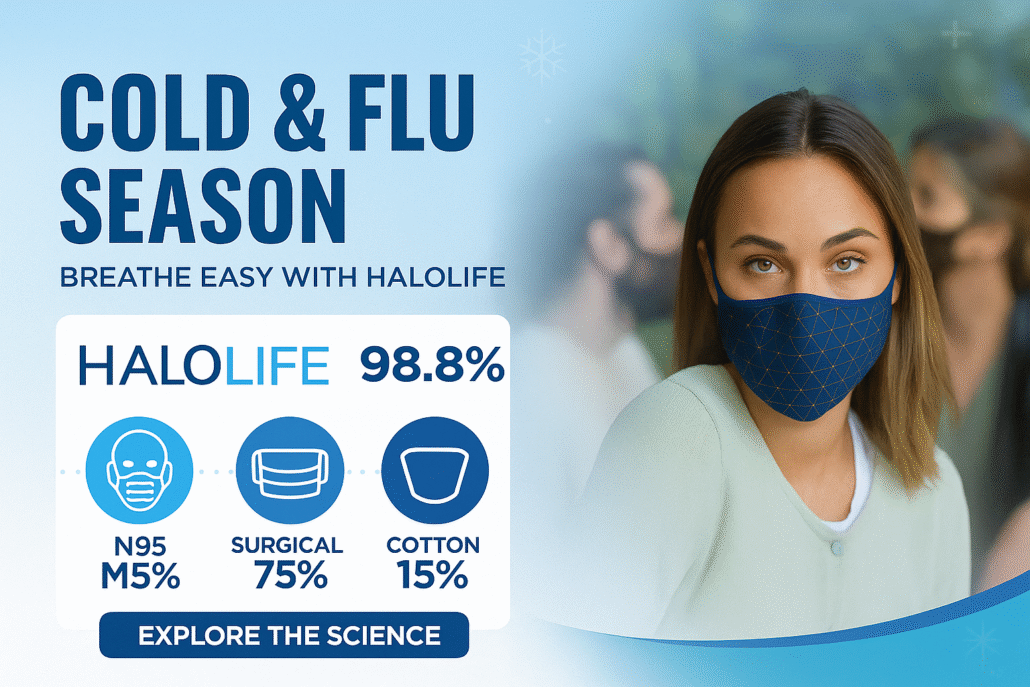
Not all masks are designed for year-round use. Basic cloth masks may block large droplets but offer limited protection against fine particles like pollution or smoke. Heavier respirators may provide filtration but are often uncomfortable for extended wear.
Advanced solutions, such as nanofiber masks, are engineered to balance high filtration efficiency with breathability. Nanofiber layers capture microscopic particles while allowing airflow to remain comfortable, making them suitable for daily use across seasons.
Fit and comfort are equally important. A mask that seals properly around the face ensures air passes through the filter rather than around it. Adjustable features and soft materials support long-term wear without irritation.
Integrating Masks Into Daily Life
A year-round mask strategy does not mean wearing a mask at all times. It means being intentional. High-risk situations vary by individual and lifestyle, but common scenarios include:
- Public transport and ride shares
- Airports and flights
- Indoor events and gatherings
- Poor air quality days
- Allergy season exposure
- Cold weather commuting
By identifying these moments, masks become a practical tool rather than a constant obligation.
A Preventive Health Mindset
The shift toward year-round mask use reflects a broader movement in preventive health. Just as people adapt clothing to weather or adjust diets seasonally, respiratory protection can be adapted to environmental conditions.
This mindset reduces stress and improves overall well-being. Instead of reacting to symptoms or outbreaks, individuals take control of their exposure proactively.
Clean Air, Every Season
Air quality challenges are not going away. If anything, they are becoming more complex and unpredictable. A year-round mask strategy recognizes this reality and responds with consistency, adaptability, and smart protection.
From allergens in spring to pathogens in winter, the air you breathe matters every day. Choosing the right protection—and using it thoughtfully—helps ensure cleaner, healthier breathing all year long.