
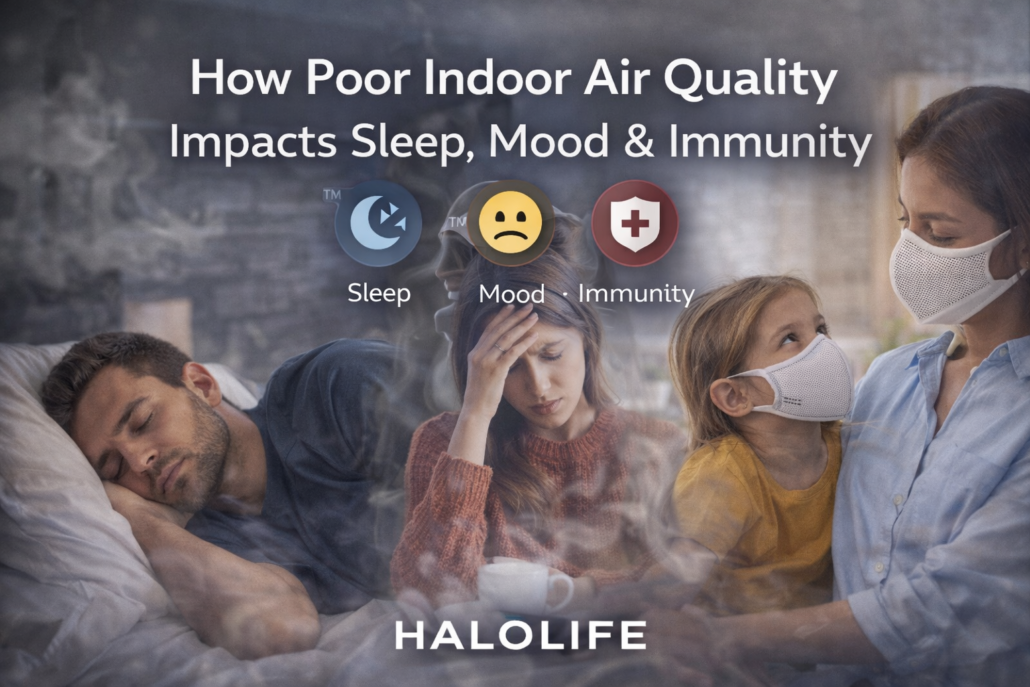
How Indoor Air Quality Affects Sleep, Mood, and Immunity
When we think about health, we often focus on nutrition, exercise, and sleep habits. Yet there is another powerful factor that quietly influences all three—the air we breathe indoors. For many people, indoor environments account for up to 90% of daily life. Despite this, indoor air quality is frequently overlooked.
Poor indoor air quality does not only affect the lungs. A growing body of research shows it can disrupt sleep patterns, affect mood and mental clarity, and place added strain on the immune system. Understanding how indoor air influences these systems is an important step toward improving overall wellbeing.
What Is Poor Indoor Air Quality?
Indoor air quality (IAQ) refers to the condition of air inside homes, offices, schools, and other enclosed spaces. Poor IAQ typically results from a buildup of airborne pollutants combined with limited ventilation.
Common contributors include dust, pet dander, pollen, mold spores, excess moisture, household chemicals, cleaning products, cooking emissions, smoke, and outdoor pollution that seeps indoors. Viruses and bacteria can also circulate in shared indoor air, especially in crowded or poorly ventilated environments.
During colder months or periods of extreme weather, windows remain closed and airflow decreases. In tightly sealed buildings designed for energy efficiency, pollutants can linger longer, causing air quality to decline more quickly than many people realize.
How Indoor Air Quality Affects Sleep
Quality sleep depends on more than darkness and quiet. The air you breathe throughout the night plays a direct role in how well your body rests and recovers.
Airborne irritants such as dust and allergens can inflame nasal passages and airways, leading to congestion, coughing, or throat dryness. This makes comfortable breathing more difficult and may result in frequent waking. Even mild irritation can prevent the body from entering deep, restorative sleep stages.
Poor ventilation can also lead to elevated carbon dioxide levels, making the air feel stale. This may contribute to headaches, restlessness, and grogginess upon waking. Research has linked inadequate ventilation to lighter sleep cycles and more nighttime awakenings, reducing the body’s ability to fully recharge.
Over time, consistently poor sleep can affect cognitive performance, emotional balance, and immune resilience.
The Link Between Air Quality and Mood
Indoor air quality influences not only physical comfort but also emotional and mental wellbeing.
Exposure to indoor pollutants has been associated with mental fatigue, reduced concentration, and slower cognitive performance. When airflow is limited and air feels heavy or stagnant, people often report feeling sluggish or unfocused.
Breathing discomfort, mild headaches, and persistent irritation can subtly elevate stress levels. Over time, this may contribute to irritability, low mood, or difficulty managing daily responsibilities. Clean air, by contrast, supports clearer thinking, improved focus, and a more balanced emotional state—especially for individuals who spend long hours working or studying indoors.
Indoor Air Quality and Immune Health
The immune system depends heavily on restorative sleep and low stress levels—both of which are influenced by air quality. When indoor air is compromised, immune defenses may also be affected.
In shared indoor environments, viruses and bacteria can circulate more easily, increasing exposure risk during cold and flu season. Limited ventilation allows airborne particles to remain suspended longer, raising the likelihood of inhalation.
Chronic exposure to airborne pollutants may also trigger low-grade inflammation in the respiratory tract. Over time, this inflammatory stress can strain immune function. If sleep is simultaneously disrupted due to poor air quality, the body’s nightly repair and regeneration processes may be impaired, creating a cycle of fatigue and increased vulnerability.
Why Modern Lifestyles Increase Indoor Air Risks
Modern life has intensified indoor air challenges. Many people now work remotely or spend extended hours in offices. Public transportation, shared workspaces, and classrooms increase time in enclosed environments. Energy-efficient buildings are designed to limit air leakage, which conserves energy but may also trap pollutants inside.
Seasonal reliance on heating and air conditioning can further reduce natural ventilation. Without intentional air-quality management, indoor spaces can accumulate higher concentrations of pollutants than outdoor environments.
Improving Indoor Air Quality at Home and Work
Improving indoor air quality does not require drastic changes. Small, consistent habits can make a meaningful difference.
Regular ventilation, even for short periods, helps refresh indoor air. Maintaining indoor humidity between 30% and 50% can discourage mold growth and reduce respiratory irritation. Cleaning HVAC filters and vents ensures better airflow and filtration efficiency. Reducing the use of harsh chemical cleaners, smoke, and strong fragrances also supports healthier air.
Keeping sleeping areas clean and dust-free is particularly important for restorative rest. In shared or high-traffic environments where ventilation may be limited, additional protective measures may provide added reassurance.
The Role of Masks in Supporting Cleaner Breathing Indoors
Masks are often associated with outdoor pollution or illness prevention, but they can also support cleaner breathing in indoor environments—especially during periods of poor ventilation or seasonal illness.
Advanced filtration materials, such as nanofiber technology, are engineered to capture fine airborne particles while remaining breathable for extended wear. Reusable masks with replaceable filters provide consistent performance without the environmental impact of single-use options.
HALOLIFE designs masks with advanced nanofiber filtration, prioritizing both breathability and comfort. These masks are intended to support cleaner breathing in shared indoor spaces, travel settings, and crowded environments where air quality may be uncertain.
Clean Air as a Foundation for Everyday Health
Indoor air quality is not just an environmental concern—it is a foundational wellness issue. Clean air supports deeper sleep, improved mood and mental clarity, and stronger immune resilience.
Poor indoor air can quietly undermine these systems without obvious warning signs. The good news is that awareness empowers action. By improving ventilation, reducing pollutants, and supporting cleaner breathing, individuals can create indoor environments that promote overall wellbeing.
Breathing is something we do thousands of times each day. Ensuring that each breath is cleaner is one of the simplest—yet most impactful—steps toward better health, both day and night.
FAQS
How does indoor air quality affect sleep?
Poor indoor air quality can irritate airways, increase congestion, and disrupt deep sleep cycles.
Can poor indoor air quality weaken the immune system?
Yes, chronic exposure to pollutants may increase inflammation and disrupt restorative sleep, affecting immune function.
What are symptoms of poor indoor air quality?
Common symptoms include headaches, fatigue, congestion, coughing, and difficulty concentrating.
How can I improve indoor air quality quickly?
Increase ventilation, use HEPA filtration, reduce indoor pollutants, and maintain proper humidity levels.
Implement FAQ schema markup to increase chances of appearing in Google rich results.