Travel Ready: Why You Should Pack a High-Performance Mask
Packing for a trip usually starts with the obvious essentials—passport, tickets, chargers, and weather-appropriate clothing. But as travel environments become more crowded and air quality challenges more unpredictable, one item is increasingly earning a permanent place on smart travelers’ packing lists: a high-performance mask.
Whether you are flying internationally, commuting through busy terminals, or exploring popular tourist destinations, the air you breathe on the road can expose you to far more than you expect. Packing the right mask is not about fear—it is about preparation.
Travel Brings Unique Air Quality Challenges
Modern travel concentrates people from different regions, health conditions, and environments into shared spaces. Airports, airplanes, trains, buses, and ride shares all rely on enclosed or semi-enclosed systems where air is shared for extended periods.
Even with ventilation and filtration systems in place, exposure risk remains—particularly during boarding, security lines, and deplaning, when crowds are densest. Tourist attractions, museums, hotels, restaurants, and indoor markets add another layer of exposure, often combining heavy foot traffic with limited airflow.
Unlike your home environment, travel puts you in constant contact with unfamiliar air conditions and airborne particles.
Why Air Quality Changes When You Travel
One overlooked aspect of travel is how quickly air quality can shift. A traveler may leave a low-pollution area and arrive in a city experiencing smog, wildfire smoke, dust storms, or high pollen levels. Seasonal pollution, traffic congestion, and regional climate conditions can dramatically affect the air you breathe—sometimes within hours.
These short-term exposures can still trigger symptoms such as headaches, throat irritation, fatigue, allergy flare-ups, or breathing discomfort, even in people who rarely experience issues at home.
Germ Exposure Increases on the Move
Travel also increases exposure to respiratory illnesses. Close seating, shared surfaces, long durations in confined spaces, and high passenger turnover all contribute to increased airborne transmission risk.
Crowded travel environments make distancing difficult, and inconsistent ventilation means airborne particles can linger longer than expected. Masks designed for effective filtration help reduce inhalation of these particles, supporting respiratory health throughout the journey.
Why a High-Performance Mask Makes the Difference
Not all masks are suited for travel. Basic cloth masks may provide minimal coverage but offer limited protection against fine particles, pollution, and smoke. Heavy-duty respirators may filter well but are often uncomfortable for extended wear.
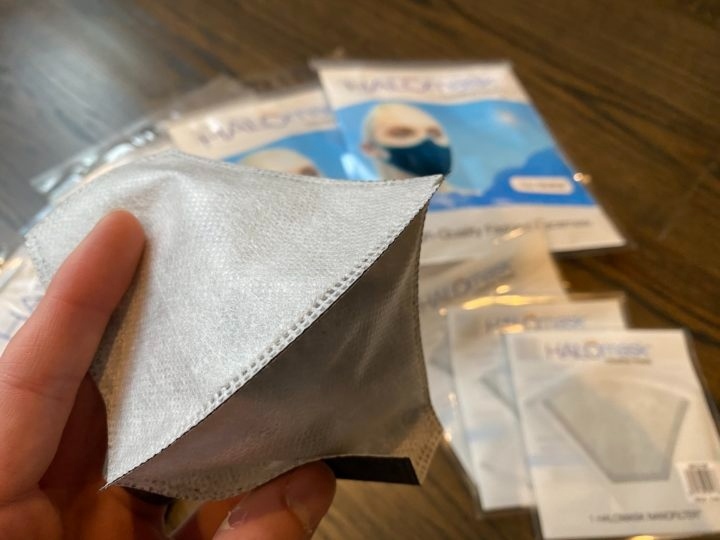
A high-performance mask strikes a balance between filtration efficiency and breathability. Advanced filtration layers are designed to capture microscopic particles while allowing airflow to remain comfortable—an essential feature for long flights, layovers, and full sightseeing days.
Comfort is not a luxury when traveling; it is what ensures consistent use. A mask that is uncomfortable will be removed frequently, reducing its effectiveness.
Key Travel Moments Where Masks Matter Most
You do not need to wear a mask at all times to benefit from packing one. Strategic use during higher-risk moments can significantly reduce overall exposure. These moments often include:
- Airport security lines and boarding gates
- Flights, especially during boarding and deplaning
- Public transport and ride shares
- Indoor tourist attractions and events
- Poor air quality days in unfamiliar cities
Using a mask during these periods adds a layer of protection without interfering with the enjoyment of your trip.
Comfort, Fit, and Reusability on the Road
Travel masks should be easy to wear, easy to pack, and easy to maintain. Lightweight designs reduce fatigue, while soft materials help prevent skin irritation during long wear.
Fit matters just as much as filtration. A well-sealed mask ensures that inhaled air passes through the filter rather than leaking around the edges. Adjustable features help accommodate different face shapes and reduce pressure points—especially important during long journeys.
Reusable masks with replaceable filters are also practical for travel. They reduce waste, save space, and ensure consistent performance across multiple days and destinations.
Protecting Energy and Enjoyment While Traveling
Travel is physically demanding. Jet lag, long days, disrupted sleep, and constant movement already place stress on the body. Exposure to polluted air or respiratory irritants can compound fatigue and reduce enjoyment.
By reducing what you inhale, a high-performance mask helps protect energy levels and respiratory comfort. Travelers who manage exposure effectively are more likely to stay active, sleep better, and return home feeling refreshed rather than depleted.
A Smart Addition to Your Travel Checklist
Packing a high-performance mask is no different from packing sunscreen, medications, or comfortable shoes. It is a preventive tool that prepares you for conditions you cannot control.
As air quality events become more frequent and travel continues to rebound, masks are evolving from emergency items into everyday travel essentials.
Travel Smarter, Breathe Easier
The goal of travel is to explore, connect, and enjoy new experiences—not to worry about the air you breathe. With the right preparation, you can reduce exposure to airborne risks and focus on what matters most.
A high-performance mask is a small addition to your luggage with a big impact on comfort, health, and peace of mind. When you are truly travel ready, you are prepared not just for where you are going—but for the air you will breathe along the way.