Why More Americans Are Wearing Filter Face Masks During Poor Air Quality Days
Poor air quality is no longer limited to wildfire zones or heavily industrialized cities. Across the United States, more Americans are experiencing unhealthy air due to wildfire smoke, traffic emissions, construction dust, pollen, and microscopic PM2.5 particles. Even on days when the sky looks clear, invisible pollutants can still affect the air you breathe.
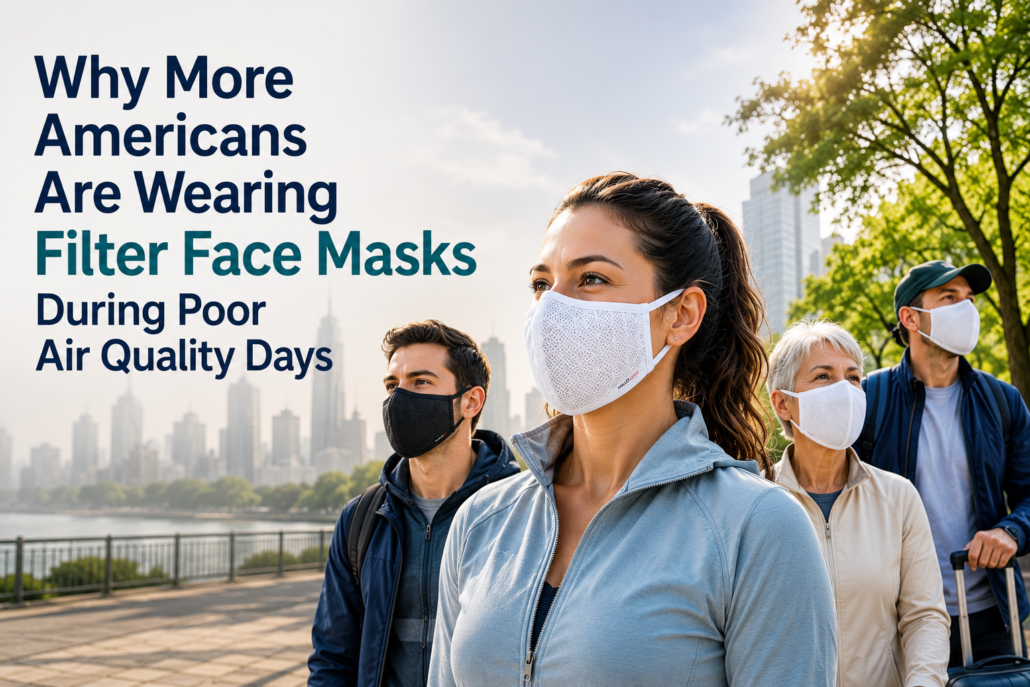
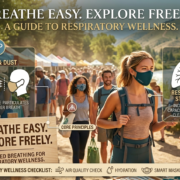
As awareness of respiratory health continues to grow, many people are making filter face masks part of their everyday routine. Whether commuting to work, exercising outdoors, traveling, or spending time with family, wearing a high-quality filtration mask has become a practical way to reduce exposure to airborne particles.
Here’s why more Americans are choosing filtered breathing during poor air quality days.
Air Quality Is Becoming More Unpredictable
In recent years, poor air quality alerts have become increasingly common across many states. Wildfire smoke can travel hundreds or even thousands of miles, affecting cities far away from active fires. Urban pollution from vehicle traffic, industrial activity, and construction projects also contributes to declining air quality throughout the year.
Seasonal changes add another challenge. Spring brings pollen, summer often sees wildfire smoke, while dry weather can increase dust levels. Together, these conditions create a growing need for better respiratory protection.
Understanding PM2.5
One of the biggest concerns during poor air quality events is PM2.5, or particulate matter measuring 2.5 micrometers or smaller.
These tiny particles are nearly invisible but can travel deep into the lungs when inhaled. Unlike larger particles that the body can naturally filter, PM2.5 can reach the smallest airways and may even enter the bloodstream.
Exposure may contribute to:
- Coughing and throat irritation
- Difficulty breathing
- Eye irritation
- Increased allergy symptoms
- Asthma flare-ups
- Reduced comfort during outdoor activities
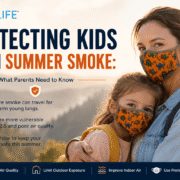
People with existing respiratory conditions, older adults, children, and pregnant women are often more sensitive to poor air quality.
Why Filter Face Masks Are Becoming Popular
Filter face masks provide an additional layer of protection by helping reduce exposure to airborne particles before they are inhaled.
Today’s filtration masks are very different from basic cloth masks. Modern reusable masks are designed to combine advanced filtration with comfort, making them suitable for everyday use.
Many Americans now wear filtration masks while:
- Walking or jogging outdoors
- Commuting in busy traffic
- Traveling through airports
- Attending outdoor events
- Gardening or doing yard work
- Cycling
- Shopping during smoke events
- Visiting crowded public spaces
For many people, wearing a filtration mask has become as normal as carrying a reusable water bottle or sunscreen.
Wildfire Smoke Has Changed Everyday Habits
Wildfire seasons across North America have become longer and more intense. Smoke often affects communities located hundreds of miles away from active fires.
Even when fires appear distant, smoke particles can cause Air Quality Index (AQI) readings to rise significantly.
During these periods, many families now:
- Monitor daily AQI forecasts
- Limit outdoor exercise
- Keep windows closed
- Use indoor air purifiers
- Wear filter face masks outdoors
These simple habits can help reduce exposure during poor air quality events.
Comfort Matters for Everyday Wear
People are more likely to wear respiratory protection when it feels comfortable.
Modern filtration masks are designed with features such as:
- Lightweight construction
- Adjustable ear loops
- Breathable fabrics
- Reusable designs
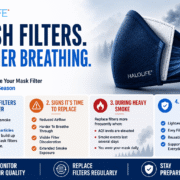
- Replaceable high-efficiency filters
- Comfortable fit for extended wear
Comfort encourages consistent use, especially for people who spend long hours outdoors.
Filtered Breathing Supports an Active Lifestyle
Poor air quality doesn’t necessarily mean you must stay indoors all day.
Many Americans continue enjoying walks, commuting, outdoor shopping, travel, and recreational activities while taking sensible precautions.
Checking local AQI reports before heading outside and wearing a quality filtration mask during periods of elevated pollution can help reduce exposure to airborne particles.
While no mask can eliminate every risk, combining filtered breathing with other protective measures may support healthier outdoor habits.
Choosing the Right Filter Face Mask
Not every mask is designed for air pollution.
When selecting a filtration mask, consider features such as:
- High-efficiency filter technology
- Comfortable fit with minimal air leakage
- Breathable construction
- Reusable design
- Replaceable filters
- Adjustable straps
- Lightweight materials suitable for everyday wear
A properly fitted mask performs better than one that leaves gaps around the nose or cheeks.
Everyday Wellness Starts With Every Breath
People are paying closer attention to hydration, nutrition, exercise, sleep, and mental well-being than ever before. Breathing clean air deserves to be part of that conversation.
As air quality becomes less predictable across the United States, filtered breathing is becoming another practical wellness habit for people who want to reduce exposure to smoke, dust, pollen, and airborne pollution.
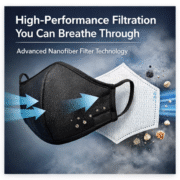
At HALOLIFE, our reusable HALOmasks featuring Halo NanoFilter™ Technology are designed to support cleaner breathing while remaining comfortable for everyday use. Whether you’re commuting, traveling, exercising outdoors, or spending time with your family, taking simple steps to reduce exposure can make a meaningful difference.
When air quality changes, protecting every breath becomes part of protecting your overall well-being.
FAQs
Why are more Americans wearing filter face masks?
Growing concerns about wildfire smoke, PM2.5 pollution, pollen, and urban air pollution have encouraged more people to wear filtration masks during poor air quality days.
Can filter face masks help reduce exposure to air pollution?
High-quality filtration masks are designed to help reduce exposure to airborne particles such as smoke, dust, pollen, and PM2.5. Their effectiveness depends on the filter material, mask design, and proper fit.
What is PM2.5?
PM2.5 refers to microscopic airborne particles measuring 2.5 micrometers or smaller. These particles can travel deep into the lungs and are commonly produced by wildfire smoke, vehicle emissions, and industrial pollution.
When should I wear a filtration mask?
Consider wearing one during wildfire smoke events, poor AQI days, heavy traffic, construction exposure, outdoor exercise in polluted areas, travel, or whenever air quality is reduced.
Are reusable filtration masks comfortable for daily use?
Many modern filtration masks are lightweight, breathable, and designed for extended wear with adjustable straps and replaceable filters.
How can I check local air quality?
You can monitor the Air Quality Index (AQI) using weather apps or official air quality websites before spending extended time outdoors.