Why Allergy Season Feels Worse This Year—and What You Can Do About It
Seasonal allergies are becoming more intense for many people across the country. If you have noticed more sneezing, congestion, itchy eyes, or breathing discomfort this year, you are not alone. Longer pollen seasons, rising pollution levels, wildfire smoke, and poor indoor air quality are all contributing to stronger allergy symptoms.
As air quality continues to change, protecting your breathing environment has become more important than ever. For many people, allergy management is no longer only about medication. It is also about reducing daily exposure to airborne irritants like pollen, dust, smoke, and pollution.
That is why more people are turning to advanced air-filtration solutions and protective masks to help them breathe easier during allergy season.
Why Allergy Season Feels Worse This Year
One major reason allergies feel stronger is that pollen seasons are lasting longer than they used to. Warmer temperatures allow trees, grasses, and weeds to release pollen earlier and for extended periods.
Air pollution is also making allergies more severe. Tiny pollution particles can irritate the respiratory system and increase sensitivity to allergens. When pollution combines with pollen or smoke, symptoms often become more noticeable and longer lasting.
Wildfire smoke has become another growing concern. Smoke particles can travel long distances and affect air quality even in areas far from active fires. These tiny particles can enter homes, offices, schools, and public spaces, making it difficult to avoid exposure completely.
Indoor air quality can also contribute to allergy problems. Dust mites, mold spores, pet dander, and household pollutants may build up indoors and continuously trigger symptoms.
Common Allergy Symptoms
People experiencing severe allergy seasons may notice:
- Sneezing and nasal congestion
- Itchy or watery eyes
- Sore throat and postnasal drip
- Coughing and shortness of breath
- Fatigue and poor sleep
- Sinus headaches and pressure
- Increased breathing discomfort outdoors
For people with asthma or respiratory sensitivities, poor air quality can make symptoms even more difficult to manage.
Why Filtration Matters During Allergy Season
Reducing exposure to airborne irritants is one of the most effective ways to manage allergy symptoms. While air purifiers help indoors, outdoor exposure remains a challenge during daily activities like commuting, travelling, exercising, gardening, or attending events.
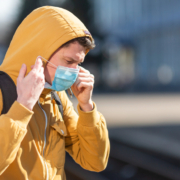
Protective filtration masks can help reduce inhalation of airborne allergens and pollutants before they reach your respiratory system.
Modern masks are no longer just for illness prevention. Many people now use high-filtration masks during allergy season to help protect against:
- Pollen
- Dust
- Wildfire smoke
- Urban pollution
- Airborne particles
- Seasonal irritants
How HALOLIFE Masks Help Support Cleaner Breathing
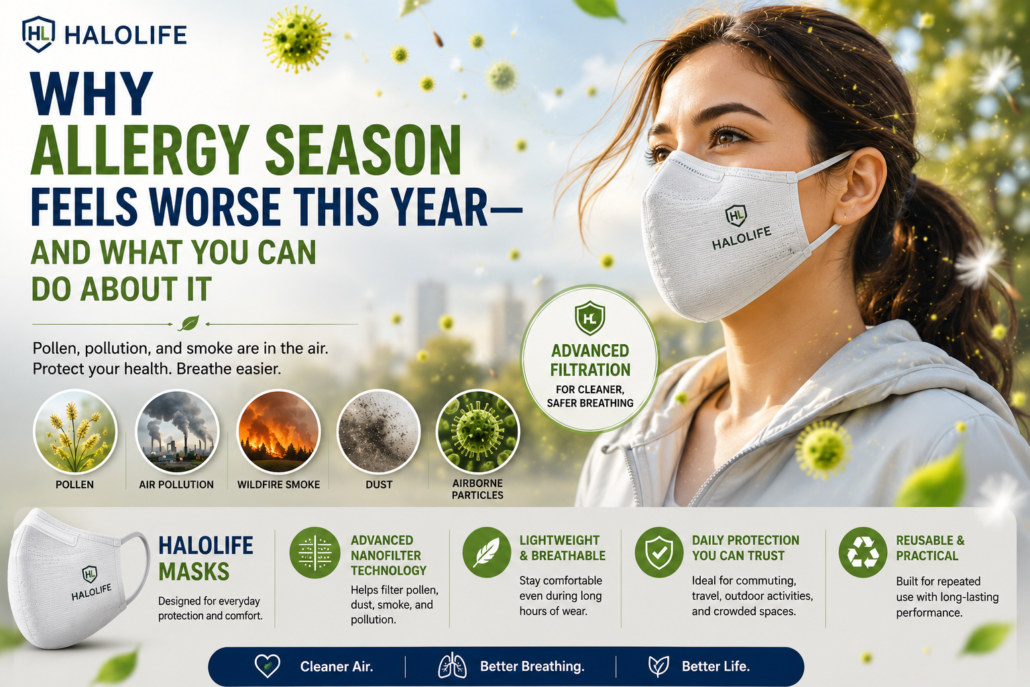
HALOLIFE Masks Collection offers advanced filtration masks designed for everyday comfort and cleaner breathing.
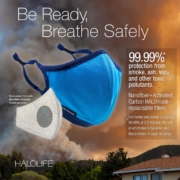
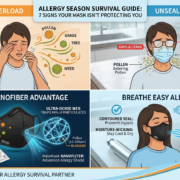
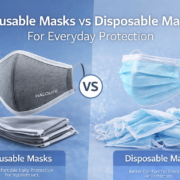
Unlike basic cloth masks, HALOLIFE masks are engineered with high-performance nanofilter technology that helps capture microscopic airborne particles while maintaining breathability.
Key benefits include:
Advanced Air Filtration
HALOLIFE masks are designed to help filter airborne particles such as pollen, dust, smoke, and pollution that commonly trigger allergy symptoms.
Comfortable for Daily Wear
Comfort matters during allergy season, especially for people who spend time outdoors. HALOLIFE masks are lightweight, breathable, and designed for extended daily use.
Ideal for Travel and Outdoor Activities
Whether you are commuting, travelling, gardening, exercising outdoors, or attending crowded public spaces, protective filtration can help reduce exposure to seasonal irritants.
Reusable and Practical
HALOLIFE masks are designed for repeated use, making them a convenient option for people who want long-term respiratory protection throughout allergy season.
Simple Ways to Reduce Allergy Exposure
In addition to using protective filtration, these habits may help reduce symptoms:
Monitor Air Quality and Pollen Levels
Check local forecasts before outdoor activities. Pollen counts are often highest during dry, windy mornings.
Improve Indoor Air Quality
Use HEPA air purifiers, vacuum frequently, and replace HVAC filters regularly.
Keep Allergens Outside
Remove shoes at the door, shower after outdoor activities, and wash clothes frequently during high-pollen days.
Support Overall Wellness
Hydration, quality sleep, balanced nutrition, and stress management may help support respiratory health and immune function.
Cleaner Air Can Improve Daily Life
Many people underestimate how much air quality affects energy, sleep, focus, and overall wellbeing. Cleaner breathing environments may help reduce irritation and make everyday activities more comfortable during allergy season.
As allergy seasons continue becoming longer and more intense, proactive protection is becoming increasingly important. Small changes like improving indoor air quality and wearing advanced filtration masks outdoors can make a noticeable difference.
For people looking for added protection against pollen, smoke, dust, and pollution, HALOLIFE masks offer a practical solution designed for cleaner breathing and everyday comfort.
FAQs
Why are allergies worse this year?
Longer pollen seasons, climate changes, air pollution, wildfire smoke, and indoor allergens are contributing to stronger and longer-lasting allergy symptoms.
Can masks help during allergy season?
Yes. High-filtration masks can help reduce exposure to pollen, smoke, dust, and airborne pollutants while outdoors.
What makes HALOLIFE masks different from regular masks?
HALOLIFE masks use advanced nanofilter technology designed to help filter microscopic airborne particles while remaining lightweight and breathable.
Are HALOLIFE masks reusable?
Yes. HALOLIFE masks are designed for repeated everyday use.
When should I wear a filtration mask for allergies?
Masks can be especially useful during high-pollen days, smoky conditions, outdoor exercise, commuting, travel, gardening, or crowded public environments.
Can air pollution worsen allergies?
Yes. Pollution particles can irritate the respiratory system and increase sensitivity to allergens like pollen and dust.