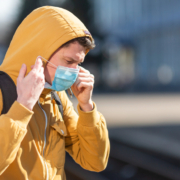
Health Tips for Maintaining Wellness During Smoke Season
In many parts of the United States, the arrival of summer and fall now brings an unwelcome guest: “Smoke Season.” Whether it stems from localized wildfires or smoke drifting from thousands of miles away, the impact on public health is significant. Wildfire smoke is a complex mixture of gases and fine particles (PM2.5) that can penetrate deep into the lungs and even enter the bloodstream.
Maintaining your wellness during these periods requires a shift from reactive habits to a proactive, health-first strategy. Here is how to stay resilient when the air quality takes a turn for the worse.
Master the Air Quality Index (AQI)
The first step in wellness is awareness. The Air Quality Index (AQI) is your daily weather report for lung health.
-
Green/Yellow (0-100): Generally safe, though sensitive individuals should be cautious.
-
Orange (101-150): Unhealthy for sensitive groups (children, elderly, and those with asthma).
-
Red/Purple (151-300+): Unhealthy to Hazardous for everyone. Outdoor exertion should be avoided entirely.
Check apps like AirNow.gov daily. When the AQI enters the orange or red zones, it is time to implement your smoke-season wellness protocol.
Optimize Your Indoor Air Sanctuary
Since we spend the majority of our time indoors during smoke events, your home must act as a clean-air sanctuary.
-
Keep Windows Closed: It seems obvious, but even a small “crack” for a breeze can let in millions of PM2.5 particles.
-
HVAC Maintenance: Ensure your air conditioning system is set to “recirculate” so it isn’t pulling in smoky air from outside. Use a high-efficiency filter (MERV 13 or higher).
-
HEPA Filtration: Portable HEPA air purifiers are the gold standard for smoke. Place one in the bedroom to ensure your body can recover and repair while you sleep.
High-Efficiency Respiratory Protection
There are times when going outside is unavoidable—whether for work, errands, or transit. During these times, a standard cloth or surgical mask is insufficient. These masks are designed to catch large droplets, not the microscopic particles found in wildfire smoke.
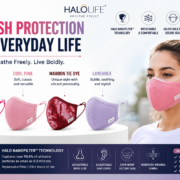
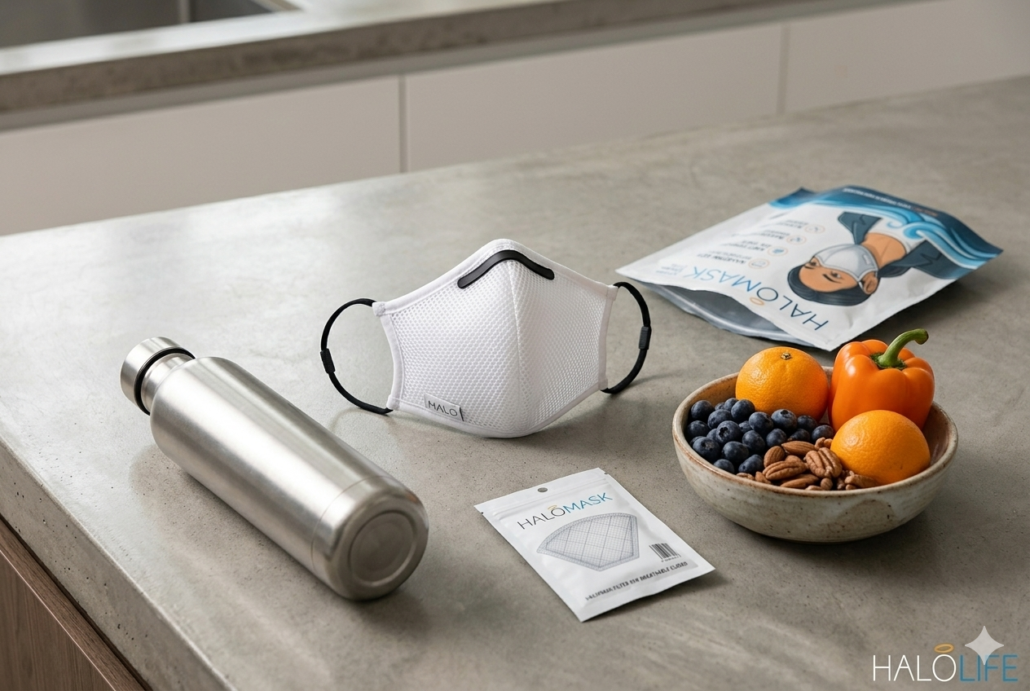
HaloMask is specifically engineered for these conditions. Utilizing nanofiber technology, it provides a high-efficiency seal that filters out 99% of airborne particulates. Unlike bulky industrial respirators, it is designed for long-term comfort and style, ensuring that protecting your health doesn’t feel like a chore.
Hydration and Anti-Inflammatory Nutrition
Smoke exposure triggers an inflammatory response in the body. You can combat this from the inside out:
-
Hydrate Constantly: Water helps keep your mucous membranes moist, which are your body’s primary defense against inhaled pollutants.
-
Load up on Antioxidants: Foods rich in Vitamin C (citrus, bell peppers), Vitamin E (nuts, seeds), and Omega-3 fatty acids (salmon, walnuts) help reduce the oxidative stress caused by inhaling fine particulates.
-
Limit High-Heat Cooking: Avoid frying or broiling food indoors during smoke events, as this can add to the particulate load already inside your home.
Recognize the Signs of Overexposure
Wellness also means knowing when your body is struggling. Common symptoms of smoke exposure include:
-
Scratchy throat and stinging eyes.
-
Shortness of breath or chest pain.
-
Persistent coughing or wheezing.
-
Headaches and fatigue.
If you experience these symptoms, increase your indoor filtration and limit all physical activity. If you have underlying respiratory conditions like asthma or COPD, follow your physician’s specialized action plan immediately.
FAQs
Q: Can I exercise outdoors if I wear a mask?
A: It is not recommended. During heavy smoke events, even with a high-quality mask like the HaloMask, the increased rate of breathing during exercise can put undue stress on your lungs. Stick to indoor, low-impact workouts until the AQI improves.
Q: How long do the health effects of smoke season last?
A: For many, short-term symptoms clear up once the air is clean. However, repeated exposure to PM2.5 can have cumulative effects on cardiovascular health, which is why consistent protection is so important.
Q: Do I need to wear a mask inside my car?
A: If your car has a high-quality cabin air filter and you are running the AC on “recirculate,” the air is relatively safe. However, if you are stuck in traffic in a high-smoke zone, wearing your HaloMask provides an extra layer of security.
Q: Is “wood smoke” less dangerous than “wildfire smoke”?
A: No. Any smoke containing fine particulate matter is hazardous. Wildfire smoke can actually be more toxic because it often contains chemicals from burned structures, plastics, and vehicles.