How Wildfire Smoke Can Affect Indoor Air Quality
Wildfire season is becoming increasingly common across many regions, and its impact often reaches far beyond the areas directly affected by fire. While outdoor smoke is easy to notice, many people are surprised to learn that wildfire particles can also move indoors and influence the quality of the air inside homes, offices, and public spaces.
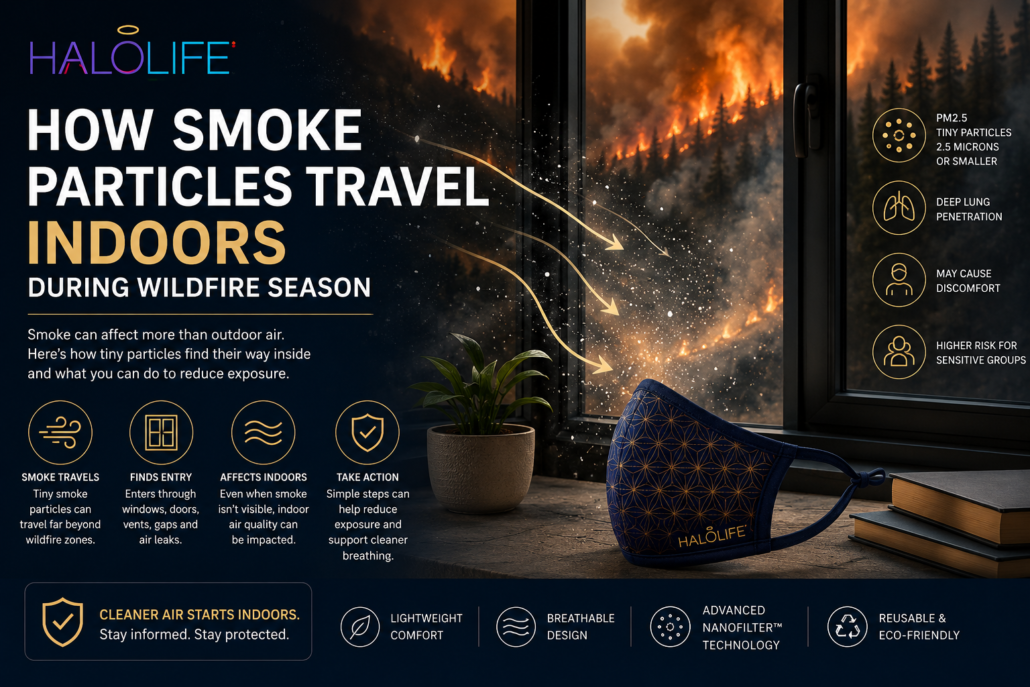
Even when doors and windows are closed, microscopic smoke particles may still enter indoor environments through ventilation systems, small openings, and airflow changes. Because people spend a large portion of their day indoors, understanding how smoke affects indoor air quality is important for maintaining breathing comfort during wildfire season.
Understanding Wildfire Smoke
Wildfire smoke is made up of a complex mixture of gases, ash, and extremely small airborne particles. One of the most discussed pollutants during smoke events is PM2.5, a fine particle that measures 2.5 microns or smaller.
These particles are tiny enough to remain suspended in the air for extended periods and can travel across large distances carried by wind and changing weather conditions. Due to their size, PM2.5 particles may also move more easily through indoor spaces than larger particles.
Wildfire smoke can sometimes linger in the environment for days, affecting communities located far from the original fire zone.
How Smoke Enters Indoor Spaces
Many buildings are not completely airtight. During wildfire season, smoke particles can slowly enter through a variety of pathways.
Small Openings Around Windows and Doors
Even modern homes may contain tiny gaps around doors, windows, and frames. Smoke particles can move through these openings and gradually accumulate indoors.
Heating and Cooling Systems
Ventilation systems may pull outdoor air into indoor environments. If filtration systems are not designed to manage fine smoke particles, smoky air can circulate throughout the building.
Air Pressure Changes
Opening doors frequently, running kitchen fans, or using exhaust systems can create pressure differences that draw outdoor smoke indoors.
Everyday Indoor Transfer
Smoke particles can also travel indoors indirectly on clothing, shoes, backpacks, or pets after spending time outside during smoky conditions.
Why Indoor Smoke Exposure Matters
Many people stay indoors during wildfire season believing they are fully protected from smoke exposure. While indoor spaces may reduce direct contact with outdoor smoke, indoor air quality can still decline during heavy smoke events.
Fine airborne particles may continue circulating inside rooms long after entering the building. This can affect breathing comfort and create an unpleasant indoor environment, especially during prolonged smoke conditions.
Some people may notice:
- Dry throat or irritation
- Reduced indoor comfort
- Difficulty enjoying outdoor-style ventilation
- Increased sensitivity during smoky conditions
- Lingering smoke odours indoors
Because smoke particles are often invisible, indoor pollution may not always be immediately noticeable.
The Importance of PM2.5 Awareness
PM2.5 has become a major focus during wildfire season because these particles are especially small and lightweight. Unlike larger dust particles that settle quickly, PM2.5 can remain airborne for long periods and spread throughout indoor spaces.
Air quality reports frequently monitor PM2.5 levels during wildfire events because elevated concentrations may impact overall breathing conditions.
As awareness around indoor air quality grows, more people are paying attention to how wildfire smoke affects not only outdoor environments but also the spaces where they spend most of their time.
Ways to Help Reduce Indoor Smoke Exposure
While wildfire smoke cannot always be avoided completely, several practical habits may help support cleaner indoor air during smoke season.
Keep Outdoor Airflow Limited During Heavy Smoke
Closing windows and limiting unnecessary outdoor airflow may help reduce the amount of smoke entering indoor spaces.
Follow Local Air Quality Updates
Monitoring AQI reports allows people to stay informed about changing smoke conditions and adjust daily activities when needed.
Improve Indoor Filtration
Maintaining ventilation systems and using indoor filtration support may help improve indoor air circulation during wildfire events.
Reduce Indoor Pollutants
Avoiding activities that add additional particles indoors — such as burning candles or smoke-producing products — may help support cleaner indoor air.
Use Comfortable Breathing Protection Outdoors
When spending time outdoors during wildfire season, many people look for lightweight masks designed to support filtered breathing while remaining comfortable for daily wear.
Why Breathability and Comfort Matter
During prolonged wildfire events, comfort becomes an important factor for people choosing reusable masks. Heavy materials or poor airflow may discourage regular use.
Modern masks designed with breathable materials and advanced filtration support are becoming increasingly popular because they balance comfort with practical everyday wearability.
At HALOLIFE, masks are designed with lightweight construction and NanoFilter technology to help support cleaner breathing and everyday comfort during changing air quality conditions.
Indoor Air Quality Is Becoming More Important
Wildfire smoke is changing the way many people think about indoor environments and daily wellness habits. Cleaner indoor air is no longer only associated with comfort — it is becoming part of broader conversations around healthy living and air quality awareness.
As wildfire seasons continue affecting communities across different regions, understanding how smoke particles move indoors can help people make informed decisions about their environment, routines, and breathing comfort.
Small daily choices — from monitoring air quality to improving indoor airflow and choosing breathable reusable masks — can make a meaningful difference during smoke season.
Cleaner breathing begins with understanding the air around you, both outdoors and indoors.
FAQs
Can wildfire smoke enter my home even if the windows are closed?
Yes. Smoke particles are extremely small and can enter through tiny gaps around windows, doors, vents, and ventilation systems, even when a home appears sealed.
What is PM2.5 in wildfire smoke?
PM2.5 refers to fine airborne particles that are 2.5 micrometres or smaller. These particles are commonly found in wildfire smoke and can remain suspended in the air for long periods.
Why does indoor air sometimes smell smoky during wildfire season?
Smoke odours indoors usually indicate that airborne particles and gases from wildfire smoke have entered the building through airflow, ventilation, or small openings.
How can I improve indoor air quality during wildfire season?
Keeping windows closed, monitoring air quality updates, improving ventilation filtration, and limiting outdoor airflow during smoke events may help reduce indoor smoke exposure.
Are smoke particles visible indoors?
Not always. Fine smoke particles like PM2.5 are often invisible, which means indoor air can still be affected even when smoke cannot be clearly seen.
Can smoke particles stay indoors for a long time?
Yes. Fine airborne particles may remain suspended indoors for extended periods, especially in spaces with limited airflow or filtration.
Why is breathable mask comfort important during wildfire season?
During longer smoke events, people may wear masks for extended periods. Comfortable, breathable designs can support more consistent daily use.
What features should I look for in a wildfire season mask?
Many people look for masks that combine filtration support, lightweight construction, breathability, and reusable everyday comfort.