California Wildfires and Air Quality: How to Protect Your Lungs During Smoke Season
When wildfire season arrives in California, the landscape transforms. Dramatic, amber-tinted skies may look surreal on camera, but they represent a severe threat to public health. As smoke blanked cities from the Bay Area to Los Angeles in recent years, millions of Californians were forced to confront a harsh reality: Clean Air Matters, and we can no longer take it for granted.
Wildfire smoke is a complex mixture of toxic gases and fine particles that can travel thousands of miles. For anyone living in or near affected areas, understanding how this smoke impacts your health and knowing how to implement effective Wildfire Protection is vital.
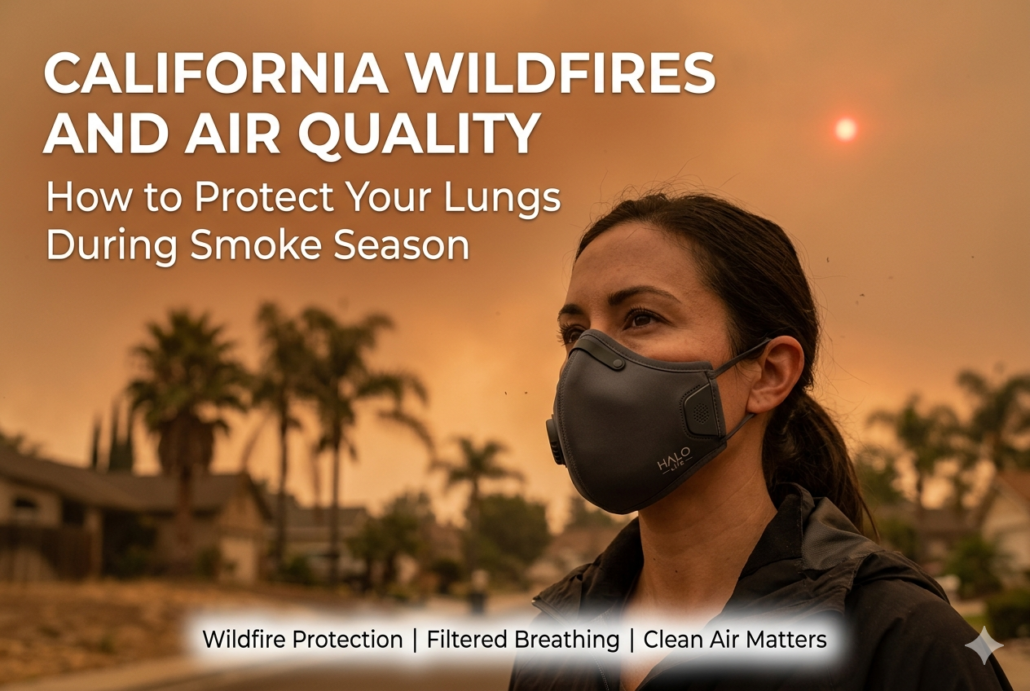
Here is what you need to know about the dangers of smoke season and how to achieve everyday Filtered Breathing to protect your lungs.
The Hidden Danger of Wildfire Smoke: PM2.5
The primary culprit behind the health hazards of wildfire smoke is particulate matter, specifically PM2.5. These are microscopic particles that are 2.5 micrometers in diameter or smaller—about 30 times smaller than a single strand of human hair.
Because these particles are so tiny, your body’s natural defenses (like the hairs in your nose) cannot trap them. When you breathe in wildfire smoke, PM2.5 travels deep into your lungs and can even enter your bloodstream. Short-term exposure can cause immediate symptoms, including:
-
Coughing, wheezing, and trouble breathing
-
Scratchy throat and irritated sinuses
-
Stinging eyes and headaches
-
Fatigue and chest pain
Over time, or for vulnerable populations—such as children, the elderly, and those with pre-existing conditions like asthma or cardiovascular disease—breathing this toxic air can lead to severe health complications. That is why proactive respiratory safety is an absolute necessity during the dry summer and autumn months.
Creating Your Wildfire Protection Plan
When the Air Quality Index (AQI) climbs into the “Unhealthy” orange and red zones, you need to take immediate steps to shield yourself. A comprehensive Wildfire Protection strategy requires a multi-layered defense.
1. Monitor the Air Quality Daily
Don’t rely on sight alone to judge the air. Check resources like AirNow.gov or localized AQI apps every morning. If the AQI passes 100, vulnerable individuals should limit outdoor activities. If it passes 150, everyone should minimize strenuous outdoor exertion.
2. Fortify Your Indoor Sanctuary
When smoke blankets your neighborhood, keep all windows and doors tightly shut. Set your air conditioning system to “recirculate” so it doesn’t draw in smoky air from the outside. Additionally, running a high-efficiency particulate air (HEPA) purifier indoors can drastically lower indoor PM2.5 levels, proving that Clean Air Matters inside your home just as much as outside.
3. Achieve True Filtered Breathing When Outdoors
You cannot always stay indoors. Whether you are commuting to work, walking the dog, or handling essential tasks, stepping outside during smoke season requires premium respiratory defense.
Standard cloth masks and surgical masks simply won’t cut it against PM2.5; they are designed to trap large droplets, not microscopic smoke particulates. To truly protect your lungs, you need dedicated, high-efficiency Filtered Breathing solutions.
Breathe Easy with HALO Life Premium Protection
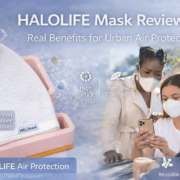
At HALO Life, we believe that protecting your health shouldn’t mean sacrificing comfort or style. Our advanced HALO Masks are specifically engineered to provide defense against everyday environmental hazards, including wildfire smoke, allergens, and airborne pollutants.
Why choose HALO Life for your wildfire season defense?
-
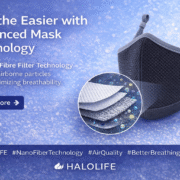
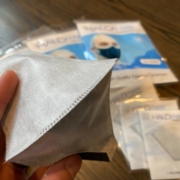
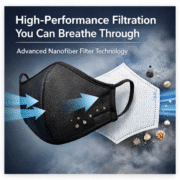
Nanofilter Technology: Our proprietary replacement filters utilize advanced nanofiber technology to capture up to 99% of airborne particulates down to 0.1 microns. This means PM2.5 particles from wildfire smoke are effectively blocked before they can reach your lungs.
-
Unmatched Comfort & Fit: A mask only works if it fits correctly. HALO Masks feature an adjustable nose bridge, adjustable ear loops, and a contoured chin wrap to ensure a secure, gap-free seal on your face.
-
Highly Breathable: Thanks to our breathable materials and streamlined design, you can enjoy maximum protection without feeling suffocated. It’s premium Filtered Breathing made effortless.
-
Sustainable & Reusable: Unlike disposable masks that clutter landfills, HALO Masks feature a washable, reusable outer shell with easily replaceable inserts, making them an eco-friendly option for long-term seasonal protection.
Don’t Wait Until the Smoke Clears
California’s wildfire seasons are becoming longer and more intense. Waiting until the sky turns orange to think about your respiratory health leaves you exposed to dangerous pollutants.
Investing in high-quality respiratory care is an investment in your long-term well-being. Because when it comes to your family, your health, and your future—Clean Air Matters.
Shop the HALO Life Collection Today and equip yourself with the ultimate Wildfire Protection before the next smoke season arrives. Stay safe, breathe easily, and protect your lungs with HALO Life.
FAQs
Q1: Can standard cloth or surgical masks protect against wildfire smoke?
A: No, standard cloth and surgical masks do not offer adequate protection against wildfire smoke. Wildfire smoke is filled with microscopic particles known as PM2.5, which are tiny enough to slip right through loose-fitting or porous materials. For real protection, you need a high-efficiency solution designed for Filtered Breathing, such as HALO Masks, which feature advanced nanofiber filters capable of capturing up to 99% of particulates down to 0.1 microns.
Q2: What is PM2.5, and why is it dangerous?
A: PM2.5 refers to fine particulate matter that is 2.5 micrometers in diameter or smaller (about 30 times smaller than a human hair). Because these particles are so small, your body’s natural respiratory defenses cannot filter them out. When inhaled, they travel deep into your lungs and can even pass directly into your bloodstream, causing short-term irritation (coughing, burning eyes) and serious long-term health complications. During smoke season, understanding that Clean Air Matters—and actively filtering it—is crucial.
Q3: How often should I replace my HALO Mask filter during wildfire season?
A: Under normal conditions, a HALO filter can last up to 200 hours of active use. However, during heavy wildfire smoke season when the air is highly saturated with PM2.5, the filter works much harder to trap heavy ash and soot particulates. We recommend replacing your filter element more frequently—typically every 1 to 2 weeks, or sooner if you notice increased breathing resistance or staining on the filter material, to ensure optimal Wildfire Protection.
Q4: How do I know if my mask fits correctly for wildfire smoke protection?
A: A mask is only as good as its seal. If there are gaps around your nose, cheeks, or chin, smoky air will bypass the filter entirely. A properly fitting mask should contour tightly against your face without being uncomfortable. HALO Masks are uniquely engineered with an adjustable nose bridge, adjustable ear loops, and a secure chin wrap to provide a personalized, gap-free seal that ensures every breath you take is fully filtered.
Q5: What steps should I take if indoor air quality becomes poor during a wildfire?
A: To protect your indoor air sanctuary, keep all doors and windows tightly closed, run your central HVAC system on “recirculate” so it doesn’t pull in outside air, and utilize a HEPA air purifier. If you must step outside for chores or commuting, immediately switch to a high-protection mask. True Wildfire Protection requires a combination of indoor air management and personal respiratory gear when you are on the move.